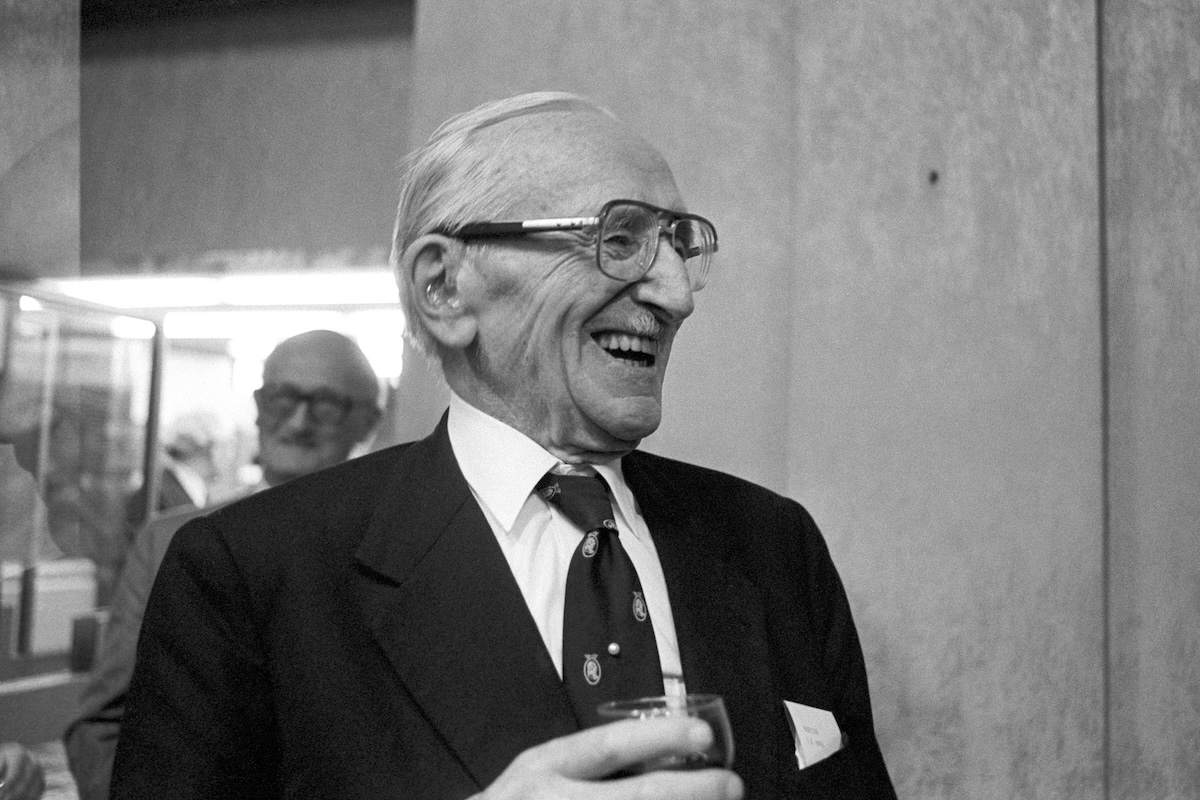
Topic: Does Capitalism Destroy Culture? A talk by Michael Miller.
When: Thursday, February 18, 2010. 11:45 a.m. Registration; 12:00 p.m. — 1:30 p.m. Lunch & Lecture
Cost: $15 Admission $5 Students (including lunch)
Where: Water’s Building — 161 Ottawa Ave, Grand Rapids, MI 49503
Map it.
Register online today!
Discover God’s design for life, the environment, finances, and eternity.
This NIV Stewardship Study Bible trailer provides a 30,000 foot view of the rich resources found within this study Bible. Whether you are pastor, deacon, elder, financial planner, development director, ministry leader, fundraising consultant … or simply someone interested in becoming a better steward of the resources entrusted to you by God, you might want to check out this video!
NIV Stewardship Study Bible Guided Tour from Brett Elder on Vimeo.
Read More…
Ideas have consequences. Says Paul Tillich in 1967:
The anti-religious attitude of almost half of present-day mankind is rooted in this seemingly professiorial struggle between Hegel, Feuerbach, and Marx, with both of the latter coming from Hegel. Feuerbach turned Hegel upside down, and then Marx introduced the sociological element. The projection of the transcendent world is the projection of the disinherited in this world. This was such a powerful argument that it convinced the masses of people. It took more than one hundred years before the labor movements in Europe were able to overcome this Feuerbachian-Marxian argument against Hegel’s attempt to unite Christianity and the modern mind.
–Paul Tillich, Perspectives on 19th and 20th Century Protestant Theology (New York: Harper & Row, 1967), 141.
Thus Tillich traces the line of the “left-wing” Hegelians, who turned Hegel’s Absolute Spirit into absolute materialistic class struggle.
Read More…
That’s the refreshing and surprisingly accurate headline attributed by The Guardian to Pope Benedict’s address to the Catholic Bishops of England and Wales in Rome for their ad limina visit, which all bishops are required to make every five years. As my colleague Sam Gregg pointed out several years ago, this is yet another example of Benedict’s affinity with Alexis de Tocqueville.
Benedict’s address is such a clear reminder of what Catholic bishops need to do to defend truth and freedom that no commentary from me is necessary. (Rabbi Jonathan Sacks has voiced his approval, also in The Guardian.) I’ll just highlight this one statement by Benedict on the work and example of Cardinal Newman:
Much attention has rightly been given to Newman’s scholarship and to his extensive writings, but it is important to remember that he saw himself first and foremost as a priest.
Read More…
The Archbishop of Canterbury, Rowan Williams, delivered a talk on theology and economics at New York’s Trinity Church last week.
Read More…
Protection and justice for the Egyptian Coptic community is an issue that is very close to my heart. That is a major reason that this week’s Acton commentary highlights the grave difficulty of their situation. The inspiring news is that the international Coptic community has united to peacefully magnify their outrage of the violent shooting that took place on January 6; the date Coptic Christians celebrate Christmas Eve. I’d like to point out to our Powerblog readers one especially moving video by John Abiskaron called Coptic Justice. The short film chronicles the peaceful protests in Los Angeles on January 10.
I lived in Egypt for over two years and one thing that is especially telling about the people is how so many are very poor but filled with joy. Many of the poorest Egyptians are Christians too because of persecution by the Islamic majority and government.
Read More…
Revive is a word commonly associated with the efforts that paramedics and other medical personnel make when someone has stopped breathing. Whether that’s due to slipping beneath the pond ice or being pulled under by a nasty California rip tide, the consequences of inaction will be fatal.
So it’s an appropriate word for Hillsdale College to use in titling their townhall last Saturday – “Reviving The Constitution” – that was broadcast online from the Michigan college’s Washington D.C. annex, The Kirby Center.
A hat tip for their extraordinary effort.
“Through teaching the principles and practices of American constitutionalism,” Hillsdale’s Kirby Center “seeks to inspire all Americans to act worthy of the blessings of liberty.” And that’s a needed ingredient these days if our body politic is to avoid what can seem like its last gasps amid the Obama presidency.
Read More…
“Intellectuals and Society,” by Thomas Sowell, (2009) Basic Books, New York, 398 pp.
Arguments about ideas are the bread and butter of the academic, journalism and think tank worlds. That is as it should be. Honest intellectual debate benefits any society where its practice is allowed. The key element is honesty.
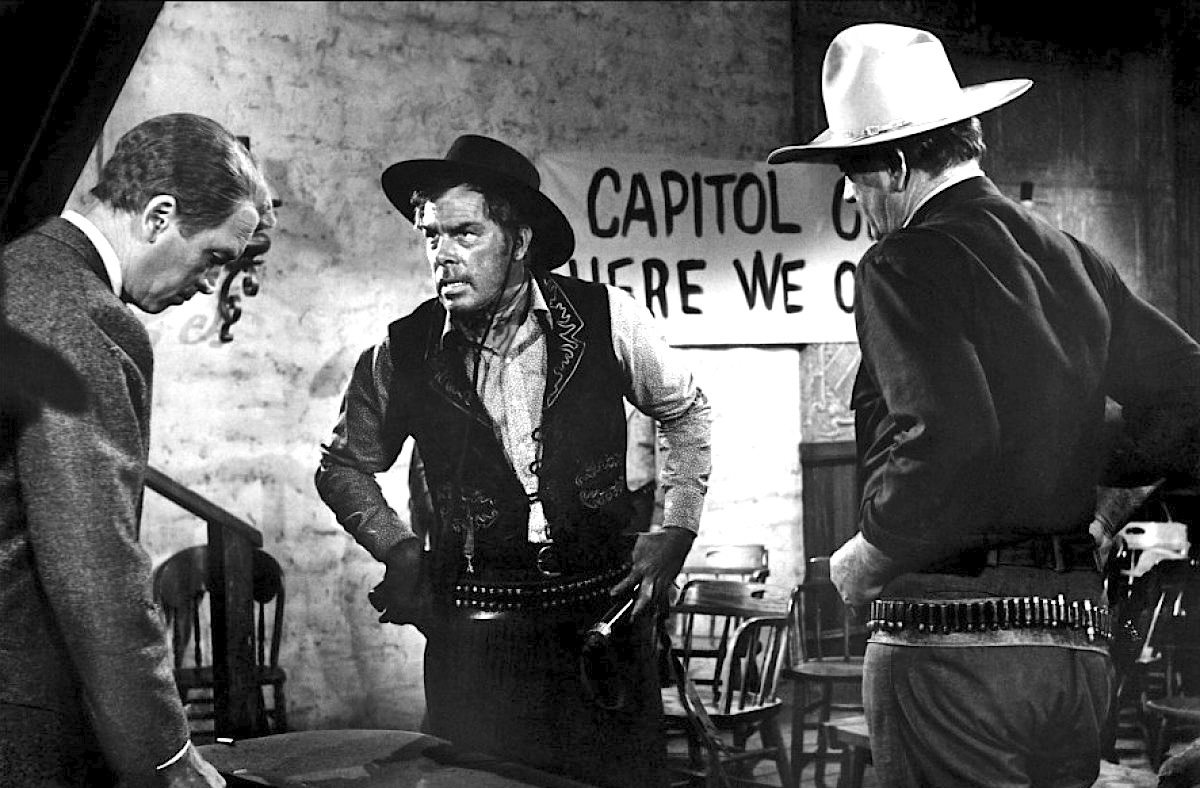
Today, someone is always looking to take out the fastest gun, and in the battles over the hearts and minds of the public many weapons are brought to bear. Unfortunately, and too often, among the artillery deployed by both sides in an argument are rhetorical deception, misleading statistics and an air of authority, which can immediately bury facts in the Boot Hill of honest debate.
Seldom held accountable for the violence brought to bear on the verifiable when their ideas lead to long-lasting negative effects, many of these intellectual gunslingers head into battle confident that their wits will save the world from another perceived plight.
Read More…
Business Weekly, a production of BBC World Service, had an informative feature on Toby Sheta, a Zimbabwean mobile phone trader, who provided insights into the courage and tenacity required of entrepreneurs under Mugabe’s brutal dictatorship (you can download the original Business Daily story in MP3 format here).
During the worst times of the Mugabe regime, Sheta would illegally buy and sell fuel coupons, a profitable enterprise because of the chaos of governmental interference in international trade and domestic fuel markets. Sheta says in the context of survival the “black market actually became the formal market,” the place where products were available.
Read More…
Ralph McInernyThe Church and the world has lost an immense soul in the passing into eternity yesterday of Dr. Ralph McInerny, long time professor of philosophy at Notre Dame University. He was the modern epitome of the Renaissance Man: a towering intellectual, a Latinist, raconteur sublime, a writer of doggerel, a mystery writer (the Father Dowling series) and the list could go on. Of all this, I suspect the role in which he took most pride was in being a husband and a father.
He was also a good, dear and abiding friend who could stick with you in hard times and throw wisdom on your befuddlement. The joy and sense of hope he indefatigably exuded was tested over the years by his own beloved Notre Dame, especially of late, as I would often remind him (as a Trojan to a Domer). But if he did not have confidence in the administration of the university, he never for a moment lost confidence in the Lady in whose honor it was named.
Read More…
0
commentsshare yours