The Economic End of History

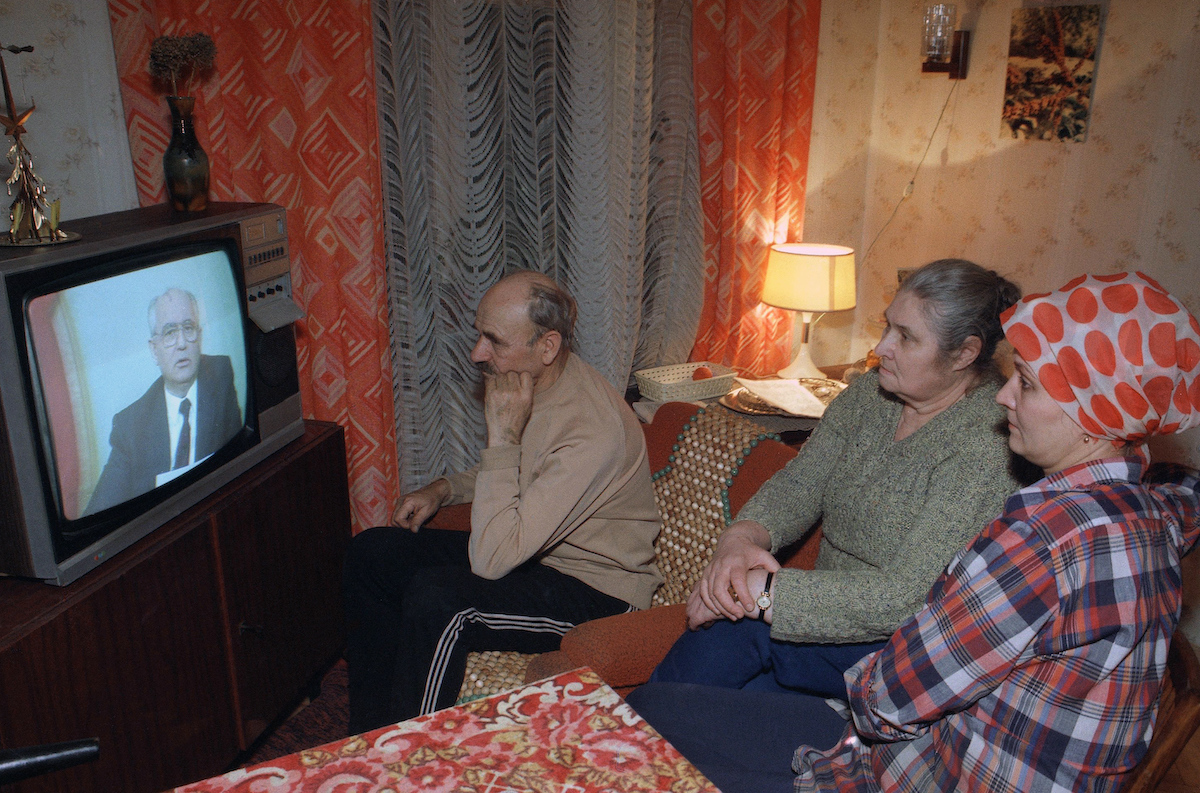
The final dissolution of the Soviet Union in 1991 heralded the victory of Western democratic societies over communism and the ideologies of collectivism. Proponents of the market economy now had definitive proof that central economic planning cannot outperform a decentralized market order, in terms of creating goods that people value and distributing them in a timely, efficient manner. Continue Reading...

South Africa and the Merit of Merit

In 1994 a momentous change unfolded at the southern tip of Africa as the oppressive regime of apartheid came to a peaceful end. The African National Congress (ANC) and its revered leader, Nelson Mandela, took the reins of power, and at first glance everything progressed perfectly—liberal democracy had won the day. Continue Reading...

Xi Jinping manipulates history on his way to a third term

China’s Xi Jinping has already served longer than any U.S. president other than Franklin Delano Roosevelt. And Xi is likely to pass FDR in just a couple years. The Chinese president and Chinese Communist Party general secretary has secured the support necessary for a third term—expected to be followed by a fourth and even fifth one, should Xi, currently 68, live long enough. Continue Reading...

Free trade with China is still good for us all

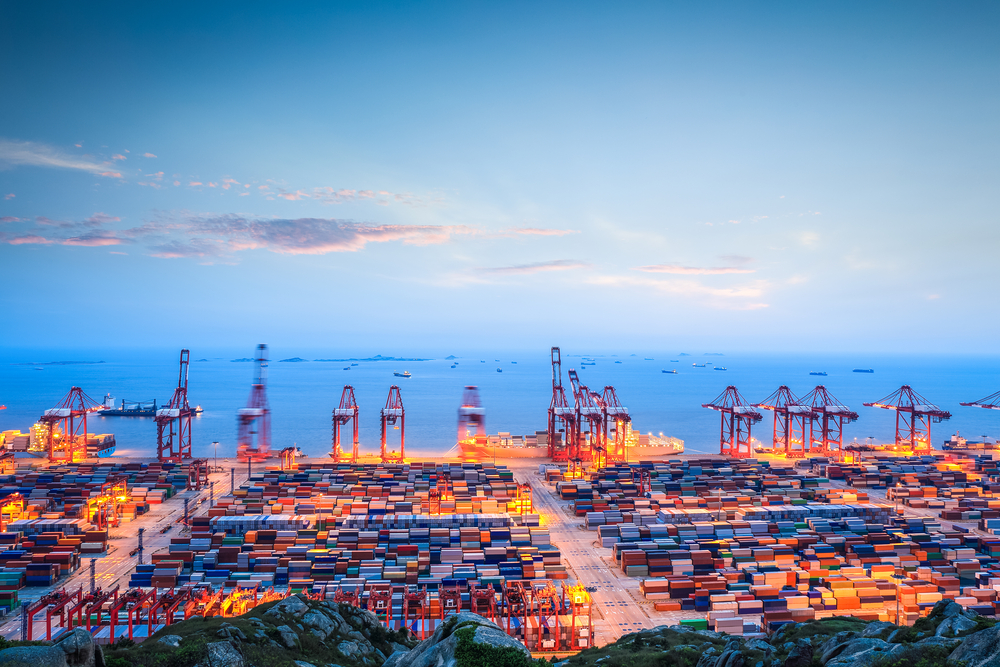
Doug Irwin in his seminal book Free Trade Under Fire points out that Democrats and Republicans have historically vacillated on free trade. The Democratic Party of the late 19th century up until World War II was the party of trade liberalization when Republicans consistently voted for high tariffs. Continue Reading...

Against trade wars as class wars

Debates between free-traders and protectionists routinely devolve into competing variations of class warfare – each claiming the cause of the “common man” against a wealthy and entrenched elite. Whereas protectionists argue that trade liberalization primarily benefits the rich, displacing disproportionate numbers of working-class employees, free-traders rush to the defense of working-class consumers, whose pocketbooks are undoubtedly harmed by tariffs and restrictions. Continue Reading...