December 11, 2013
Year: 2013
December 11, 2013
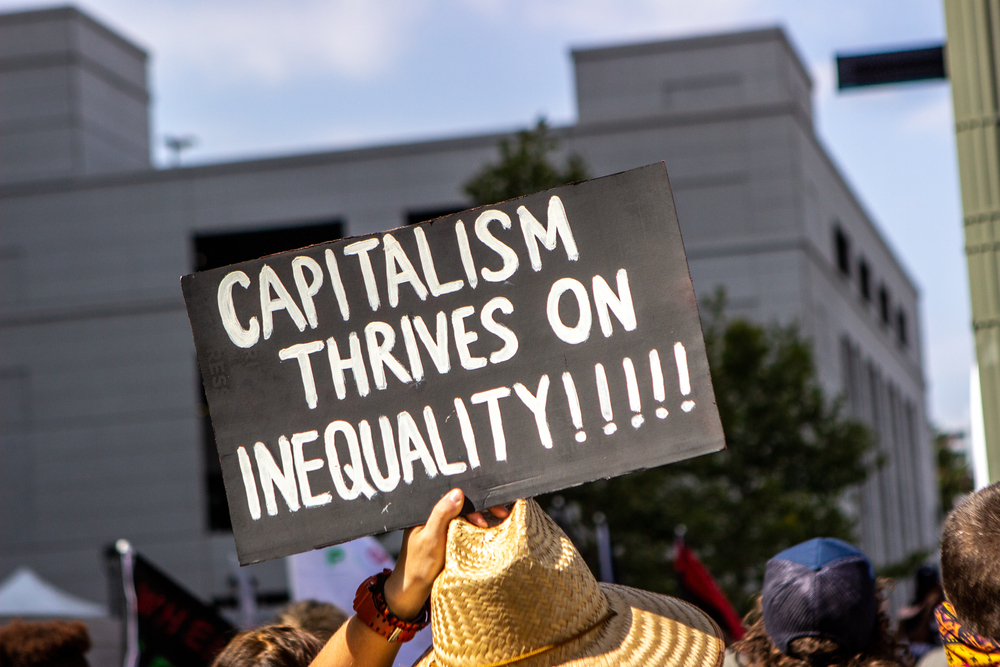
Why Max Weber was wrong about capitalism
Sociologist Max Weber famously associated Protestantism with capitalism. Although widely accepted by many, that claim is theologically dubious, empirically disprovable, and largely incidental, says Acton Research Director Samuel Gregg:
Even when we consider modern capitalism’s emergence, a direct connection between this event and Protestantism is very open to question. Continue Reading...
December 10, 2013
Audio: Jordan J. Ballor on the Economics of the Heidelberg Catechism
December 10, 2013
Soccer, Swindling And Sex Trafficking: 10 Things To Know
December 10, 2013
Redeeming the DIA
December 10, 2013
What Should a Pope Say About Capitalism?
December 10, 2013
The Hypocrisy of Requiring Business to Abandon their Conscience
December 10, 2013
Kenyans Value Children, But Their Government Doesn’t
December 10, 2013
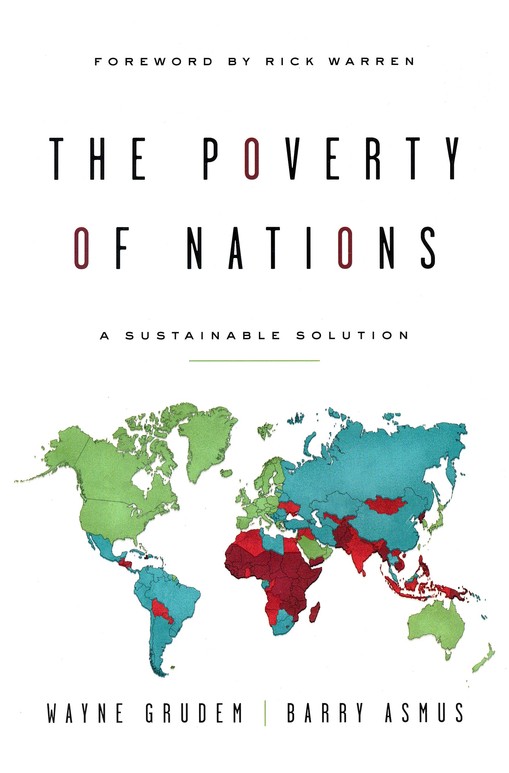
Wayne Grudem on the Solution to Global Poverty
“There is only one effective solution to world poverty,” says theologian Wayne Grudem in a recent lecture on his latest book, The Poverty of Nations, co-authored with economist Barry Asmus. Continue Reading...
December 09, 2013