Posts tagged with: asia

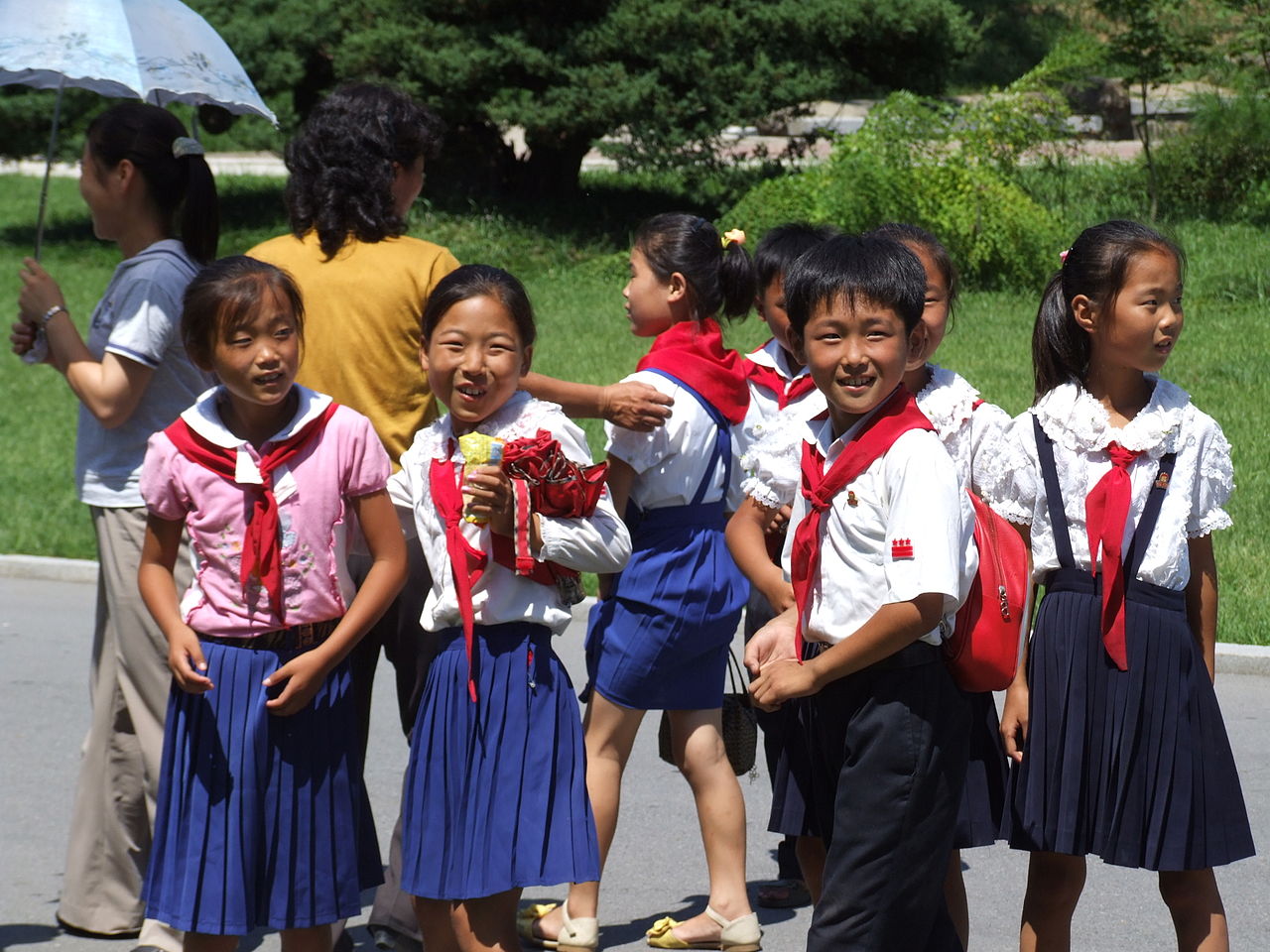
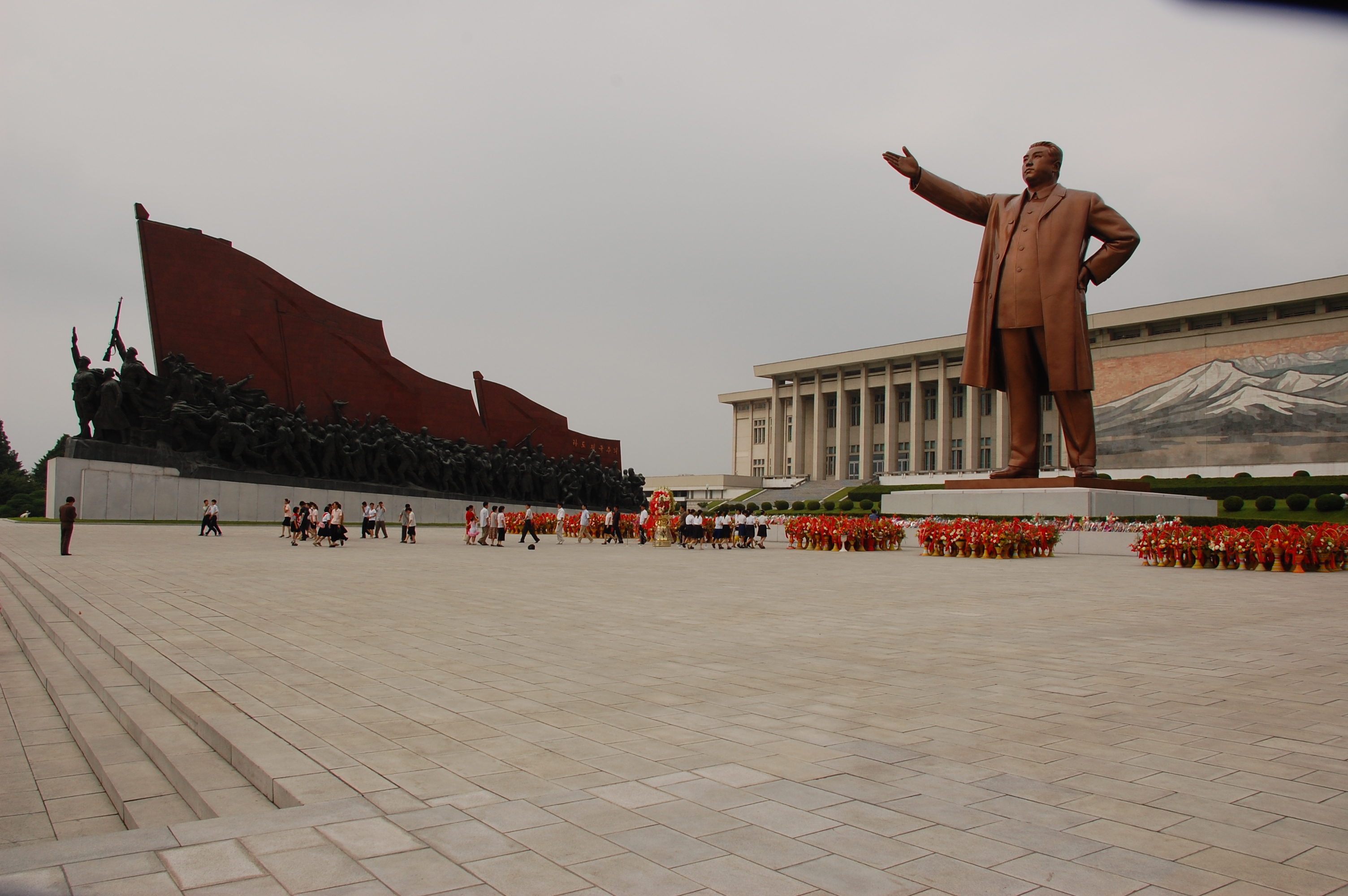
escape-from-camp-14-fc2“I escaped physically, I haven’t escaped psychologically,” says Shin Dong-hyuk. His remarkable journey out of a deadly North Korean prison to freedom is chronicled in Escape from Camp 14 by Blaine Harden. Shin didn’t escape for freedom. He had little knowledge of such a concept. He had heard that outside the prison, and especially outside North Korea, meat was available to eat.

Shin was born at Camp 14 in 1982 and was strictly forbidden to leave because of the sins of his family line against the state. His crime? Long before his birth, some of his relatives defected to South Korea. He was constantly told he could repent of his sins for hard labor and hunger. “Enemies of class, whoever they are, their seed must be eliminated through three generations,” declared Supreme Leader Kim Il Sung in 1972. Before his escape, Hardin summed up Shin’s prison experience:
Read more on One Man’s Great Escape from North Korea…

Pope Francis

Pope Francis

Surprise was the reaction in Rome on hearing of the elevation of Cardinal Jorge Mario Bergoglio, Archbishop of Buenos Aires, to the Papacy. My colleagues in Rome told me that the Plaza was unusually quiet as the people tried to figure out what was going on.  I guess the Cardinals showed that they elect the pope on their own terms, and now everyone is wondering who Pope Francis is, how he will lead, and what will characterize his pontificate.

Intra and Extra: Challenges for the Pope in the Church and the World

The Pope’s main role is to preach the Gospel of Jesus Christ. In his first homily as Holy Father he asserted just this. “We can walk as much as we want,” he said  “we can build many things, but if we do not confess Jesus Christ, nothing will avail. We will become a compassionate NGO, but not the Church, the Bride of Christ.”  He also has a Church to govern—and he’ll face serious challenges on both fronts.  On the inside, the Church continues to reel from scandals and abuse. The curia needs to be reformed and the bureaucracy cleaned up. On the outside, Pope Francis faces a growing and hostile secularism, religious persecution from a number of fronts, dwindling number of believers in traditionally Catholic lands, including Latin America, and increasing ignorance of the basic tenets of Christianity. But there are also some real positives. The Church continues to grow in the Global South—especially in Africa and Asia. Belief is still high in Latin America, though many Catholics are leaving for the Pentecostals or evangelicals. Among U.S. Catholics, Hispanics are now the majority.  And while the Church in the West may be getting smaller, it is also more vibrant and serious. Younger Catholics are orthodox and evangelical, and dissenters like Hans Kung are aging and less influential each day. Pope Francis also has the advantage of following Blessed John Paul II and Benedict XVI, whose interpretation of Vatican II and whose intellectual and spiritual guidance set out a framework for the New Evangelization.

Francis brings several important things to his papacy. The most obvious are that he is a Latin American, and not a member of the Roman Curia. The Curia needs reform, and being an outsider with experience of diocesan dysfunction will serve him well. Further, as Archbishop of Buenos Aires he not only dealt with extreme poverty, corruption, lack of rule of law, and social and economic volatility that is common in the developing world, he also has had to contend with virulent and aggressive secularism that is common in the West.  He has been a fearless defender of human life and family, has called abortion the “death penalty for the unborn,” and has been unafraid to clash with political leaders over corruption, reminding them that social corruption is rooted in personal sin.

He also brings a long record of engagement with the poorest of the poor. Read more on Pope Francis: For the Church, the City, and the World…

Update: Video Interview with Kishore from Rome.

Cardinal Malcolm Ranjith

Cardinal Malcolm Ranjith

As the world awaits the beginning of the conclave, many are looking at non European Cardinals as potentials for the next pope.  Channel News Asia points out that “68 per cent of the world’s Catholics currently from Latin America, Africa and Asia, there are increased calls for the next pope to be a non-European.”

Read more on Jayabalan: Possibility of a Non European Pope…

In The American Spectator, Acton Institute’s Michael Matheson Miller throws his hat into the ring as he launches a tongue-in-cheek candidacy for World Bank president, but also raises serious questions about the institution’s poverty fighting programs. Miller is a research fellow at Acton, where he directs PovertyCure, an initiative that promotes enterprise solutions to poverty. Jeffrey Sachs — are you listening?

Read more on Miller: Here I Come to Save the World Bank…

John Couretas
posted by on Wednesday, November 16, 2011

Picking up the comment thread from this post.

pauldanon says: “Because distributism is people-centred, things like medicine would be a priority. There’d need to be infrastructure for that, but nothing like the grotesque infrastructure we presently have for shipping frivolous imported goods around the country.”

Read more on Distributism’s Fixed, False Beliefs…

The Brotherhood of St. Moses the Black, an Orthodox Christian organization that provides information about “ancient Christianity and its deep roots in Africa,” is holding a conference Aug. 26-28 in the Detroit area. In a story in the Observer & Eccentric newspaper about the upcoming conference, a reporter interviewed a woman by the name of Sharon Gomulka who had visited an Orthodox Church several years ago on the feast day of St. Moses the Black (or sometimes called The Ethiopian). She watched “as white worshippers kissed the image of a dark-skinned man.” They were reverencing the image of the saint.

Read more on The Church’s African, Middle Eastern and Asian Roots…

The Acton Institute captured the attention of the Italian secular press when advocating a Judeo-Christian, value-based economic model to ensure continued free and healthy economic growth in Asia.

The press was eager to interview the conference speakers who articulated this perspective at the Institute’s international conference held at Rome’s Pontifical Gregorian University last May 18: “Family-Enterprise, Market Economies, and Poverty: The Asian Transformation” .

Read more on Free Economies Must Grow On Solid Principles…

A mere mention of North Korea brings to mind the repressive regime of Dear Leader Kim Jong-il.  Although Kim has been satirized in the West as an impish consumer of cognac and NBA paraphernalia, his grip on society is both chilling and inescapable.  The country frequently receives news coverage for its nuclear aspirations, unjust penal system, and horrendous human rights record.  However, a recent academic study by Stephan Haggard and Marcus Noland uncovers yet another facet of the North Korean case: the power and inevitability of markets in the face of economic despair.

Read more on Review — Witness to Transformation: Refugee Insights into North Korea…

Jordan J. Ballor
posted by on Friday, February 10, 2006

Forbes is featuring a slideshow highlighting a series of the most corrupt countries around the world, based on findings from Transparency International. The list of the “The Most Corrupt Countries” includes Chad, Bangladesh, Turkmenistan, Myanmar, Haiti, Nigeria, Equatorial Guinea, Cote D’Ivoire, Angola, Tajikistan, Sudan, Somalia, Paraguay, Pakistan, Kenya, and the Democratic Republic of Congo.

(Jacob Silberberg/AFP/Getty Images)

Read more on The Most Corrupt Countries…

Acton PowerBlog RSS

Google Plus

Twitter Feed

Facebook Fan Page

Support the Acton Institute

The Acton Institute is funded through the generous contributions of individuals such as yourself. Learn more about how you can advance the cause of freedom and virtue.