Posts tagged with: christmas

Soli Deo Gloria: “to God alone be the Glory.” J. S. Bach often wrote this (or its abbreviation “S.D.G.”) at the conclusion of his scores (secular as well as sacred). Also listen to parts two and three of this recording made at Pilgrimage Church Maria Himmelfahrt, Tading, Germany, 2005.

Read more on J. S. Bach — Christmas Oratorio (Weihnachtsoratorium)…

Jordan J. Ballor
posted by on Wednesday, December 22, 2010

Ray Nothstine
posted by on Wednesday, December 15, 2010

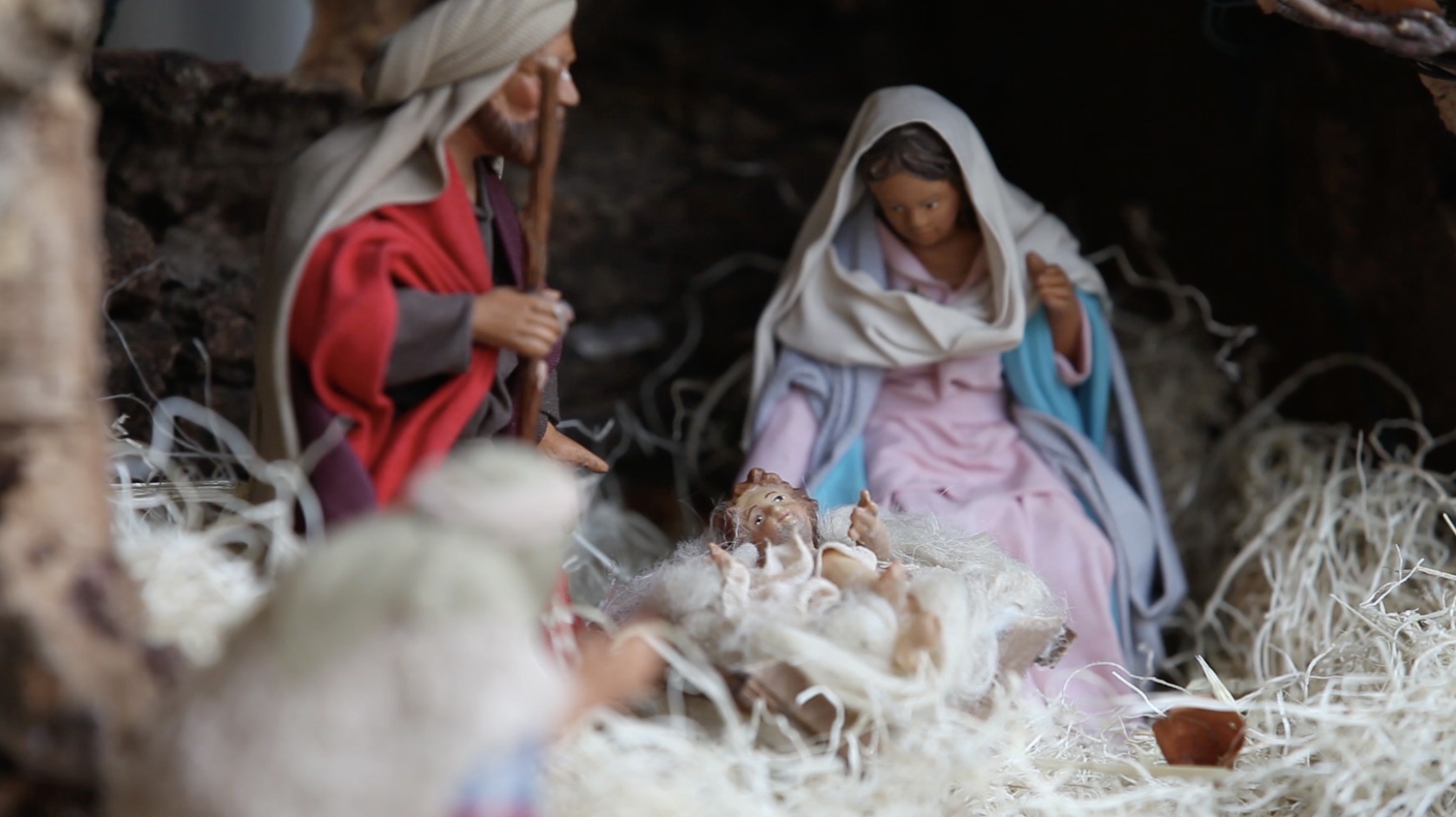
Increasingly the Nativity tends to be associated with the political, as the crèche and other overtly religious symbols are banished from the public square by public pressure or the courts. To some that communicates a baby savior with so little power he can’t even defeat the secular legal authorities who seek his removal. If God is out there, “He must be pretty weak,” could be a common refrain today.

Read more on Why the Nativity?…

There’s a new answer to the question, “What would Jesus drive?”, a contention that won’t sit well with the environmental activists who first raised the question.

The inevitably revisionist logic of the prosperity gospel has to hold that “Jesus couldn’t have been poor because he received lucrative gifts — gold, frankincense and myrrh — at birth. Jesus had to be wealthy because the Roman soldiers who crucified him gambled for his expensive undergarments. Even Jesus’ parents, Mary and Joseph, lived and traveled in style.”

Read more on What Would Jesus Drive? A Cadillac, of course!…

John Couretas
posted by on Thursday, December 24, 2009


From the Holy Land, sung in Arabic. Merry Christmas to all PowerBlog readers and our blogging crew!

St. Paul’s Letter to the Galatians 4:4-7

Brethren, when the time had fully come, God sent forth his Son, born of woman, born under the law, to redeem those who were under the law, so that we might receive adoption as sons. And because you are sons, God has sent the Spirit of his Son into our hearts, crying, “Abba! Father!” So you are no longer a slave but a son, and if a son then also an heir of God through Christ.

By Cassia the nun, from the Great Vespers for the Feast of the Nativity of Christ

Read more on Byzantine Hymn for the Nativity of Christ…

In a new column in The Detroit News, I set authentic environmental stewardship against the goings-on at the recently concluded UN Copenhagen conference. A slightly longer version of this commentary will be published tomorrow in the weekly Acton News & Commentary. Merry Christmas to all!

Read more on Column: Christmas message should inform environmentalism…

Rev. Robert Sirico
posted by on Monday, December 21, 2009

If ever G.K. Chesterton’s old quip about heresy being “truth gone mad” was in full view, here comes a report from England whereby Fr. Tim Jones, an Anglican minister, had actually encouraged the poor to shoplift from large chains this holiday season.

Read more on Blessed are the shoplifters?…

In his essay, “Intellectuals and Socialism,” Friedrich Hayek asked how it was possible for a small group of people to have such influence on the ideas and politics that affected millions. He argued that it was because the socialists influenced the “influencers”–those “secondhand dealers in ideas” like the press, educators, and editors, who spread socialist thought into the mainstream.

Read more on Secular Uniculturalism and Christmas…

Jordan J. Ballor
posted by on Friday, December 11, 2009

Place your order online at our webstore by December 18th for 10% off your entire order and to ensure delivery by Christmas. Use Promo Code CHRISTMAS10 at checkout.

See a list of special items on sale here.

Read more on Acton BookShoppe Christmas Sale…

Jordan J. Ballor
posted by on Monday, December 29, 2008

Two of Eric Shansberg’s recent PowerBlog posts got me thinking of some other things I had run across in the last couple weeks during the run-up to Christmas Day.

The first item, “Santa and the ultimate Fairy Tale,” quotes Tony Woodlief to the effect that “fairy tales and Santa Claus do prepare us to embrace the ultimate Fairy Tale.” Schansberg’s (and Woodlief’s) take on this question is pretty compelling and worth considering, even though I’m not quite convinced of the value of the Santa Claus fable.

Read more on Christmas and the Cross…

Acton PowerBlog RSS

Google Plus

Twitter Feed

Facebook Fan Page

Support the Acton Institute

The Acton Institute is funded through the generous contributions of individuals such as yourself. Learn more about how you can advance the cause of freedom and virtue.