Posts tagged with: inflation

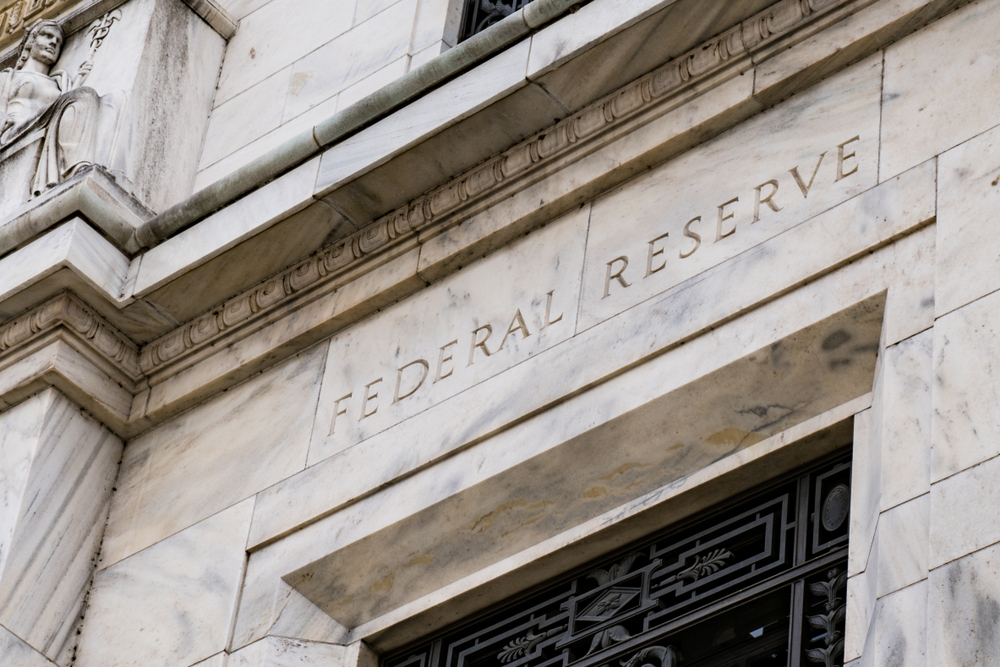
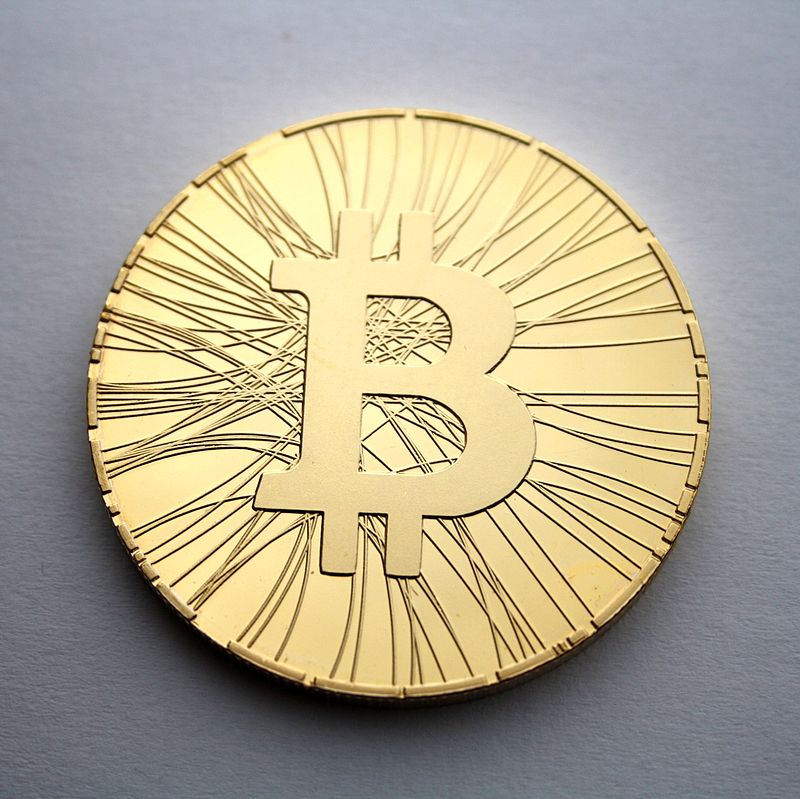
In today’s Wall Street Journal, Jon Hilsenrath and Kristina Peterson report, “The Federal Reserve is heading toward launching a new round of stimulus to buck up the weak economy, but stopped short of doing so right away.” The predicted means of stimulating the economy is another round of the unconventional policy of quantitative easing (QE), i.e. when a central bank purchases financial assets from the private sector with newly created money in effort to spark economic growth. Thus, the quantity of US dollars would be increased, debasing their value and causing inflation.

Read more on The Prospects of More QE for Economic Stimulus: A Lesson from History…

Dylan Pahman
posted by on Wednesday, May 9, 2012

Virgil's Aeneas fleeing the sack of Troy with his father on his shoulders and leading his son by the hand.

“Even the conventional everyday morality,” writes Vladimir Solovyov,

demands that a man should hand down to his children not only the goods he has acquired, but also the capacity to work for the further maintenance of their lives. The supreme and unconditional morality also requires that the present generation should leave a two-fold legacy to the next,—in the first place, all the positive acquisitions of the past, all the savings of history; and, secondly, the capacity and the readiness to use this capital for the common good, for a nearer approach to the supreme goal. This is the essential purpose of true education….

According to Solovyov, there is a basic, commonsense morality by which most parents feel an obligation to leave an inheritance to their children and give them the opportunity and know-how to use it. He goes on to argue that this principle ought to be expanded generationally: “the present generation should leave a two-fold legacy to the next,” passing on what it has received and instilling in the next generation the ability and desire to use the heritage of human history for the common good. This, he believes, is the “essential purpose of true education.” As commencement ceremonies are celebrated throughout the country this month, how well, I wonder, do we match up to this standard in the United States today? Read more on The Impious Legacy of US Education…

Dylan Pahman
posted by on Wednesday, November 9, 2011

In a recent article in the Washington Post, Juan Forero and Michael Birnbaum recommend that in the face of the looming specter of Greek debt default, Europe may learn a few lessons from South America. In particular, they point to the good example of Uruguay and the bad example of Argentina.

Read more on Fiat Currency, the Euro, and Greek Default…

Jordan J. Ballor
posted by on Wednesday, August 25, 2010

From Marketwatch today, “Morgan Stanley warns on sovereign defaults”:

“Outright sovereign default in large advanced economies remains an extremely unlikely outcome,” they said. But bondholders could suffer losses from forms of “financial oppression,” such as repaying debt with devalued currency, the analysts warned.

From last week’s Acton Commentary by Sam Gregg, “Deficits, Debt, and Self-Deception”:

Read more on Forms of ‘Financial Oppression’…

John Couretas
posted by on Thursday, August 19, 2010

This week’s Acton Commentary:

Deficits, Debt, and Self-Deception

By Samuel Gregg

It passed almost unnoticed, but in late July the Obama Administration raised the Federal Government’s budget deficit forecast for fiscal year 2011 to $1.4 trillion. That’s up from February’s forecast of $1.267 trillion. In July alone, the Federal Government’s deficit was $165 billion, of which $20 billion was for interest-payments on debt.

The long-term outlook is even worse. The U.S. Government is now borrowing approximately 41 cents of every dollar it spends. It’s also predicting additional borrowing of $8.5 trillion until 2020. If that eventuates, America’s national debt would exceed 77 percent of its annual economic output.

At some point, most of us become dazed by all these numbers that track America’s upward spiral of debt. This numbness is only exacerbated by the fact that government debt-excesses in most developed countries have been matched and even surpassed by household and financial-sector debt.

In Spain, for instance, household debt rose from 69 percent of disposable income in 2000 to 130 percent in 2008. Britain was worse, with the ratio rising from 105 percent to 160 percent over the same period. Average American household debt increased from $27,000 in 2001 to $44,000 today.

The economic effects of servicing all this debt (let alone paying down the principle) are not hard to grasp. For many households, it means either bankruptcy or severe curtailing of lifestyles so that expectations match people’s actual incomes. For others, it translates into less access to credit, even for those with good credit records or well-conceived business plans that need only sufficient capitalization to succeed. The cost of servicing government debt also reduces the amount of private sector capital available for investment. This means slower growth which further impedes our ability to shrink government deficits. Read more on Deficits, Debt, and Self-Deception…

Jonathan Spalink
posted by on Wednesday, November 1, 2006

Despite signs of a cooling economy, the Fed is holding the line on interest rates. And reason is fairly simple: Worries about inflation. While there are many good reasons for fiscal restraint in the face of the inflation threat, there are also larger moral issues at work, says Sam Gregg. Inflation strikes at the economy’s ability to assist people to achieve their full human potential. “Tough monetary policy is not just good economics,” Gregg writes. “It’s also an exercise in tough love – for all of us.”

Read more on Inflation: A Moral Problem…

Jonathan Spalink
posted by on Tuesday, May 2, 2006

Where in the world would you pay $145,750 for a roll of toilet paper? According to an article in the New York Times, inflation in Zimbabwe is soaring higher than ever — about 900 percent since President Mugabe began seizing land from wealthy landowners in 2000. And inflation is climbing at unparalleled rates.

Read more on Economic Turmoil in Zimbabwe…

Acton PowerBlog RSS

Google Plus

Twitter Feed

Facebook Fan Page

Support the Acton Institute

The Acton Institute is funded through the generous contributions of individuals such as yourself. Learn more about how you can advance the cause of freedom and virtue.