Posts tagged with: Nazism

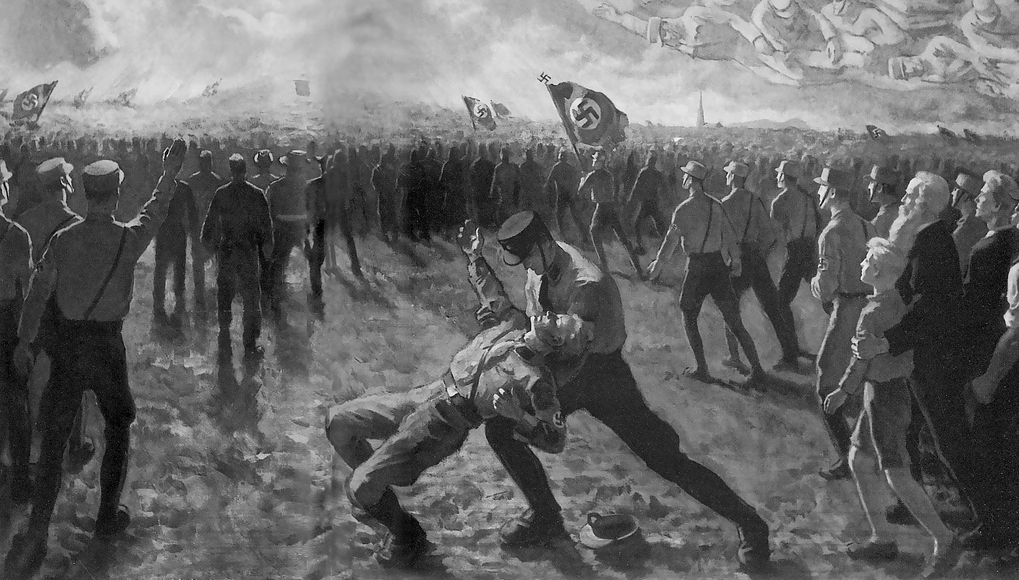
In March 1933, through various political maneuvers, Adolf Hitler successfully suppressed Communist, Socialist, and Catholic opposition to a proposed “Enabling Act,” which allowed him to introduce legislation without first going through parliament, thus by-passing constitutional review. The act would give the German executive branch unprecedented power. “Hitler’s rise to power is a sobering story of how a crisis and calls for quick solutions can tempt citizens and leaders to subvert the rule of law and ignore a country’s constitutional safeguards,” Anthony Bradley writes. The full text of the essay follows. Subscribe to the free, weekly Acton News & Commentary and other publications here.
Read more on Crisis and Constitution: Hitler’s Rise to Power…

Jordan J. Ballor
posted by on Monday, May 9, 2011

David Lohmeyer turned up this excellent clip from the original Star Trek series:
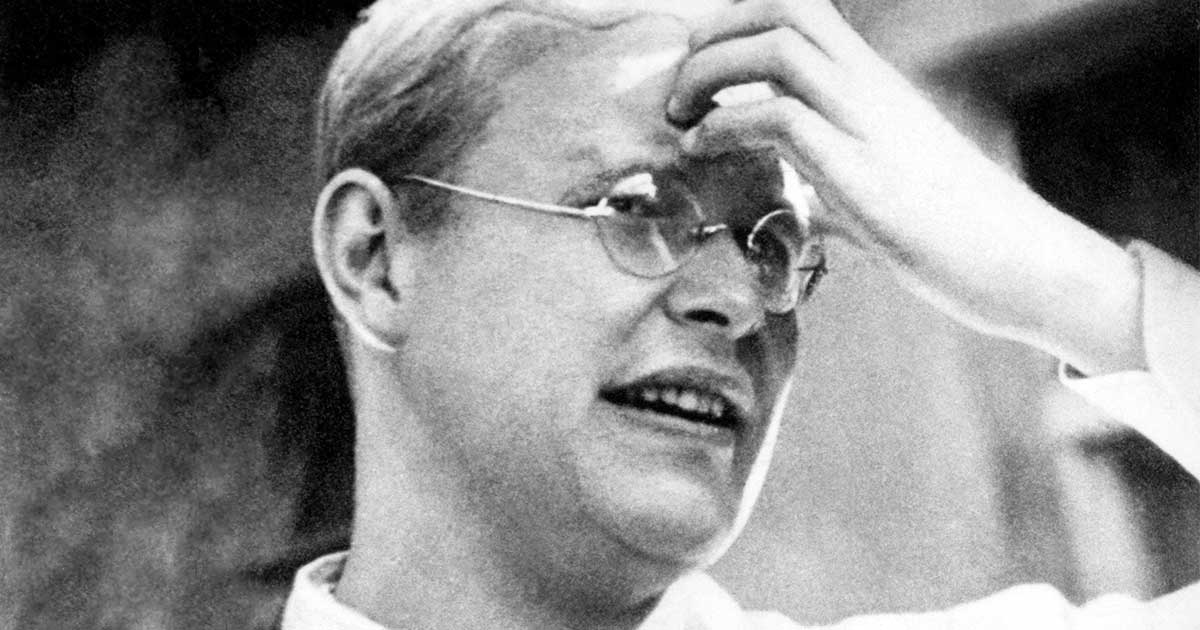
Kirk opens the clip by referencing the Nazi “leader principle” (das Führerprinzip). Soon after Hitler’s election as chancellor in 1933, the German theologian Dietrich Bonhoeffer gave a (partial) radio address and later lectured publicly on the topic of the “leader principle” and its meaning for the younger generation. These texts are important for a number of reasons, not least of which is that Bonhoeffer compares the office of “leader” to a kind of inherent law of life (or natural law) that determines whether or not the leader is actually meeting his responsibilities and obligations. Thus the leader is not beyond the law, as the Nazi version of the principle held.

Read more on Men Seeking Absolute Power…

Acton PowerBlog RSS

Google Plus

Twitter Feed

Facebook Fan Page

Support the Acton Institute

The Acton Institute is funded through the generous contributions of individuals such as yourself. Learn more about how you can advance the cause of freedom and virtue.