Posts tagged with: poverty

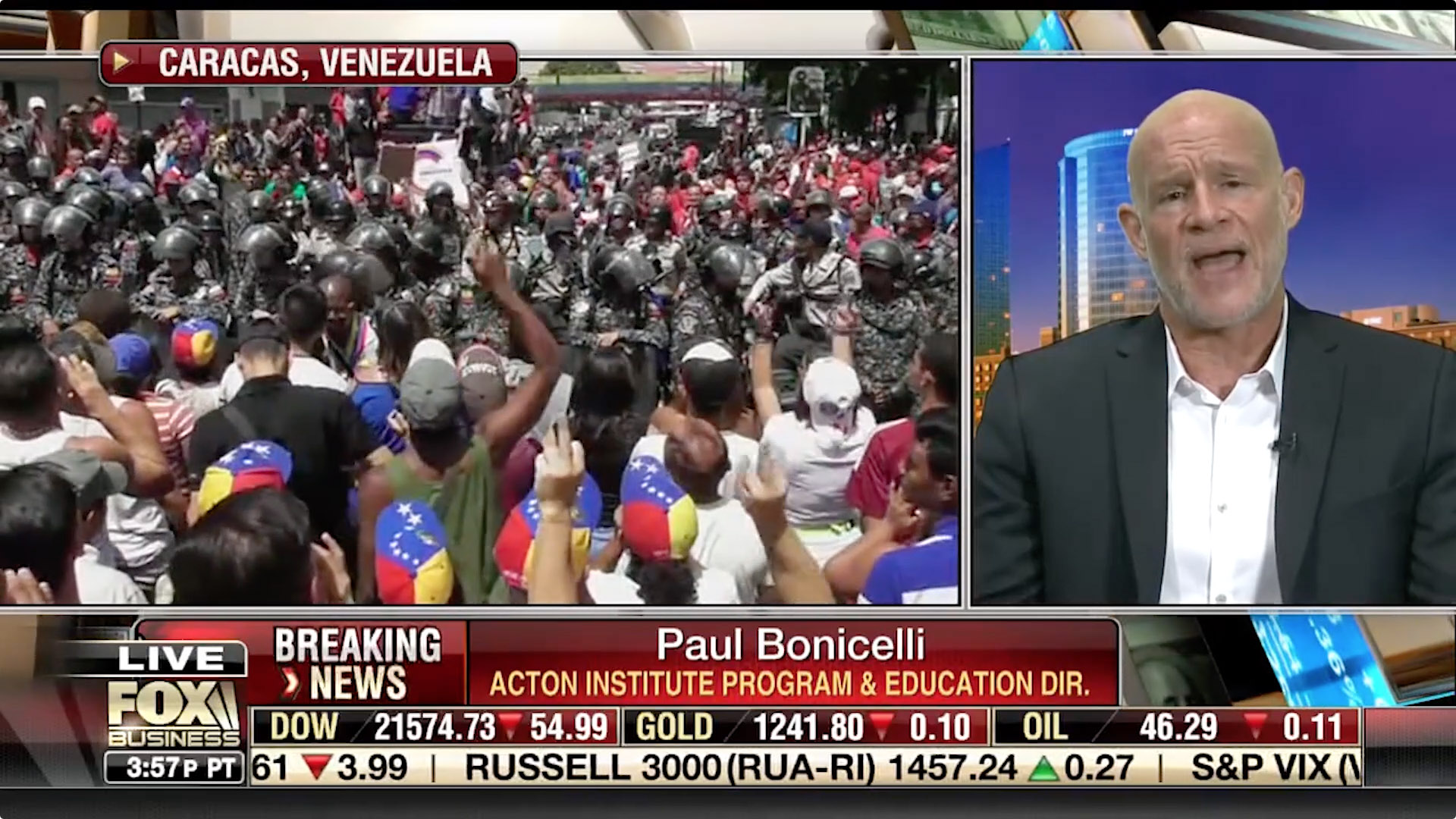
In The American Spectator, Acton Institute’s Michael Matheson Miller throws his hat into the ring as he launches a tongue-in-cheek candidacy for World Bank president, but also raises serious questions about the institution’s poverty fighting programs. Miller is a research fellow at Acton, where he directs PovertyCure, an initiative that promotes enterprise solutions to poverty. Jeffrey Sachs — are you listening?

Read more on Miller: Here I Come to Save the World Bank…

Michael Matheson Miller
posted by on Wednesday, March 21, 2012

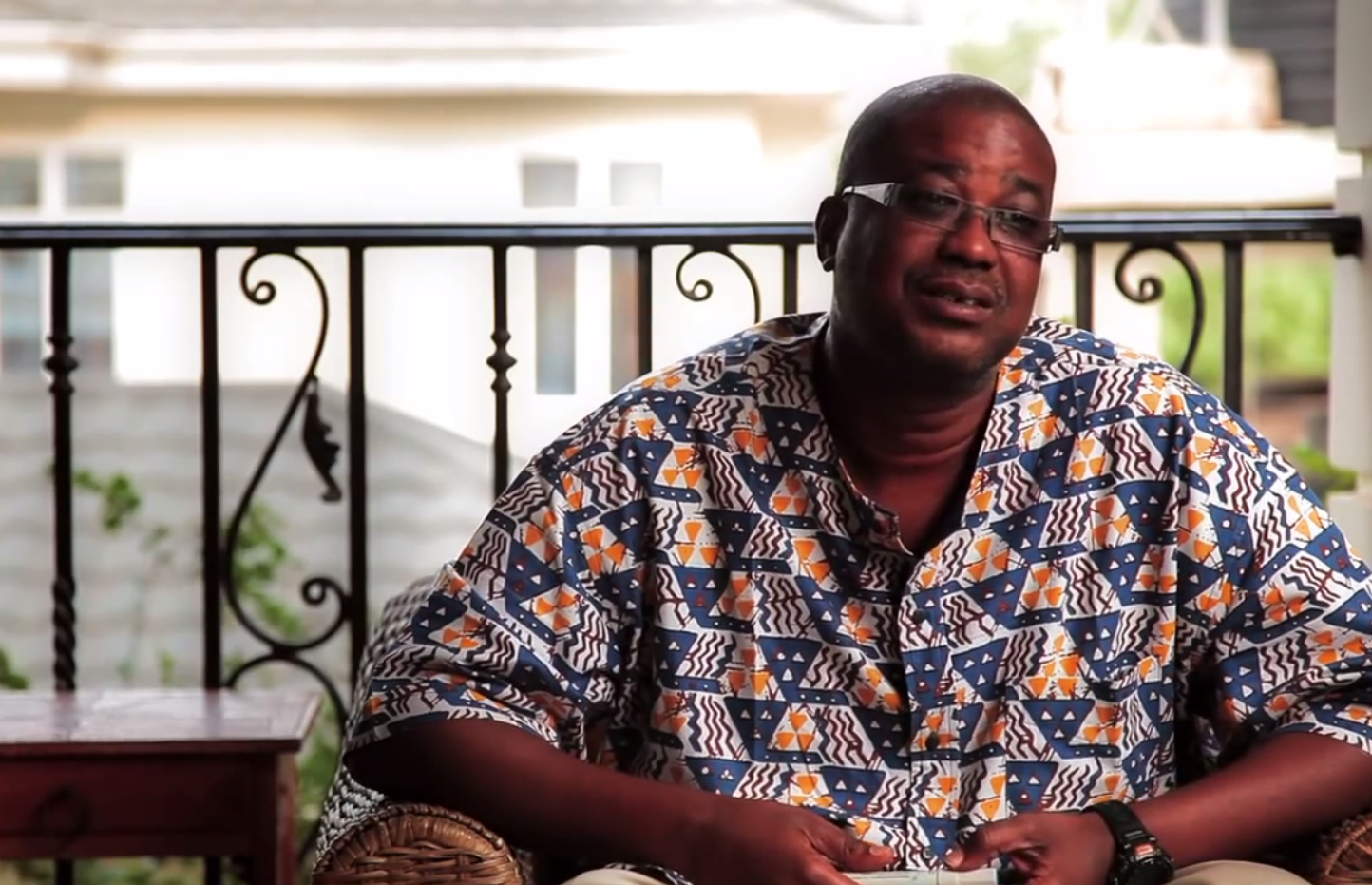
Rudy Carrasaco, US Regional Director for Partners World Wide speaks today at the Acton Lecture Series about Business as Mission 2.0.

Take a look at this short video of Rudy on Business as Mission and Transforming Communities that we did for PovertyCure. Rudy will be featured in the forthcoming PovertyCure curriculum.

Read more on Business as Mission 2.0…

We all know the promises government has made over the years about how certain programs and initiatives would eradicate poverty. But perhaps nothing rivals the Methodist movement in terms of effectively stamping out poverty in England. Charles Edward White and Bobby Butler’s essay “John Wesley’s Church Planting Movement: Discipleship that Transformed a Nation and Changed the World” is a splendid overview of Methodism’s impact on English society, especially as it relates to the middle class explosion.

Read more on What Methodism Teaches us about Poverty…

Acton On The AirActon’s Director of Media Michael Matheson Miller joined host Dave Jaconette this morning on WJRW Radio in Grand Rapids, Michigan for an interview touching on a number of subjects including 3rd world poverty, Kony 2012, entrepreneurship in the developing world, and even a discussion of the HHS mandate issue.

Read more on Audio: Miller on Kony 2012 & HHS Mandates…

Dietrich Bonhoeffer:

There remains an experience of incomparable value. We have for once learnt to see the great events of world history from below, from the perspective of the outcast, the suspects, the maltreated, the powerless, the oppressed, the reviled – in short, from the perspective of those who suffer. The important thing is neither that bitterness nor envy should have gnawed at the heart during this time, that we should have come to look with new eyes at matters great and small, sorrow and joy, strength and weakness, that our perception of generosity, humanity, justice and mercy should have become clearer, freer, less corruptible. We have to learn that personal suffering is a more effective key, a more rewarding principle for exploring the world in thought and action than personal good fortune. This perspective from below must not become the partisan possession of those who are eternally dissatisfied; rather, we must do justice to life in all its dimensions from a higher satisfaction, whose foundation is beyond any talk of ‘from below’ or ‘from above’. This is the way in which we may affirm it.

Bundesarchiv Bild 183-R0211-316, Dietrich Bonhoeffer mit Schülern

Read more on Bonhoeffer on ‘the view from below’…

Joe Carter
posted by on Monday, February 27, 2012

What are the best ways to help the poor in developing countries?

Answering that question is not as straightforward as you might assume, says development economist Bruce Wydick in Christianity Today. As Wydick notes, most relief and development organizations carry out self-assessments and measure impact based on self-studies, methods that are neither unbiased nor empirically rigorous.
Read more on Cost-Effective Compassion…

After 50-plus years of social unraveling, many reformers still see the “therapeutic model” as a cure for what ails American society. Or would a return to the classical virtues, as a means of healing first the person and then the culture, be the way of renewal? Rev. Gregory Jensen offers some thoughts in this week’s Acton Commentary (published Feb. 22), spurred by the reading of Charles Murray’s new book, Coming Apart: The State of White America, 1960–2010. The full text of his essay follows. Subscribe to the free, weekly Acton News & Commentary and other publications here.

Read more on Commentary: Human Excellence and the Moral Life…

Joe Carter
posted by on Monday, February 20, 2012

Gleaning is the traditional Biblical practice of gathering crops that would otherwise be left in the fields to rot, or be plowed under after harvest. The biblical mandate  for the practice comes from Deuteronomy 24:19,

When you reap your harvest in your field and forget a sheaf in the field, you shall not go back to get it. It shall be for the sojourner, the fatherless, and the widow, that the LORD your God may bless you in all the work of your hands.

Gleaning provided the poor with a way to use their own labor to provide for their needs. For us today, the practice provides a useful Biblical model for how we can help others to help themselves. “Those with wealth are to provide opportunities for the poor to rise out of poverty,” writes Marvin Olasky, in Renewing American Compassion, “the typical starting point in the Old Testament was gleaning.”

Read more on Gleaner Technology…

Bruce Edward Walker
posted by on Wednesday, February 8, 2012

While reading the Wall Street Journal not so long ago, I came across an article and two opinion pieces that, each in their way, told a story far different than one rendered in Bruce Springsteen’s forthcoming album, Wrecking Ball.

Read more on Bruce Springsteen’s Charity Bawl…

In the journal Foreign Affairs, Acton Research Director Samuel Gregg offers an analysis of the Vatican’s recent pronouncements on economic policy, most notably the document issued in October titled “Towards Reforming the International Financial and Monetary Systems in the Context of Global Public Authority” (also called “The Note”). The Church, Gregg said, “wanted to attract the attention of world leaders as they assembled to discuss ongoing turmoil in financial markets at the G-20 Summit in Cannes and to add its voice to those arguing for capital controls (such as the “Tobin tax”) to discourage international financial speculation.” But, he argues, advocating a world economic authority could work against the interests of developing nations, including those heavily Catholic:

Read more on Samuel Gregg: The Vatican’s Calls for Global Financial Reform…

Acton PowerBlog RSS

Google Plus

Twitter Feed

Facebook Fan Page

Support the Acton Institute

The Acton Institute is funded through the generous contributions of individuals such as yourself. Learn more about how you can advance the cause of freedom and virtue.