Posts tagged with: transformation

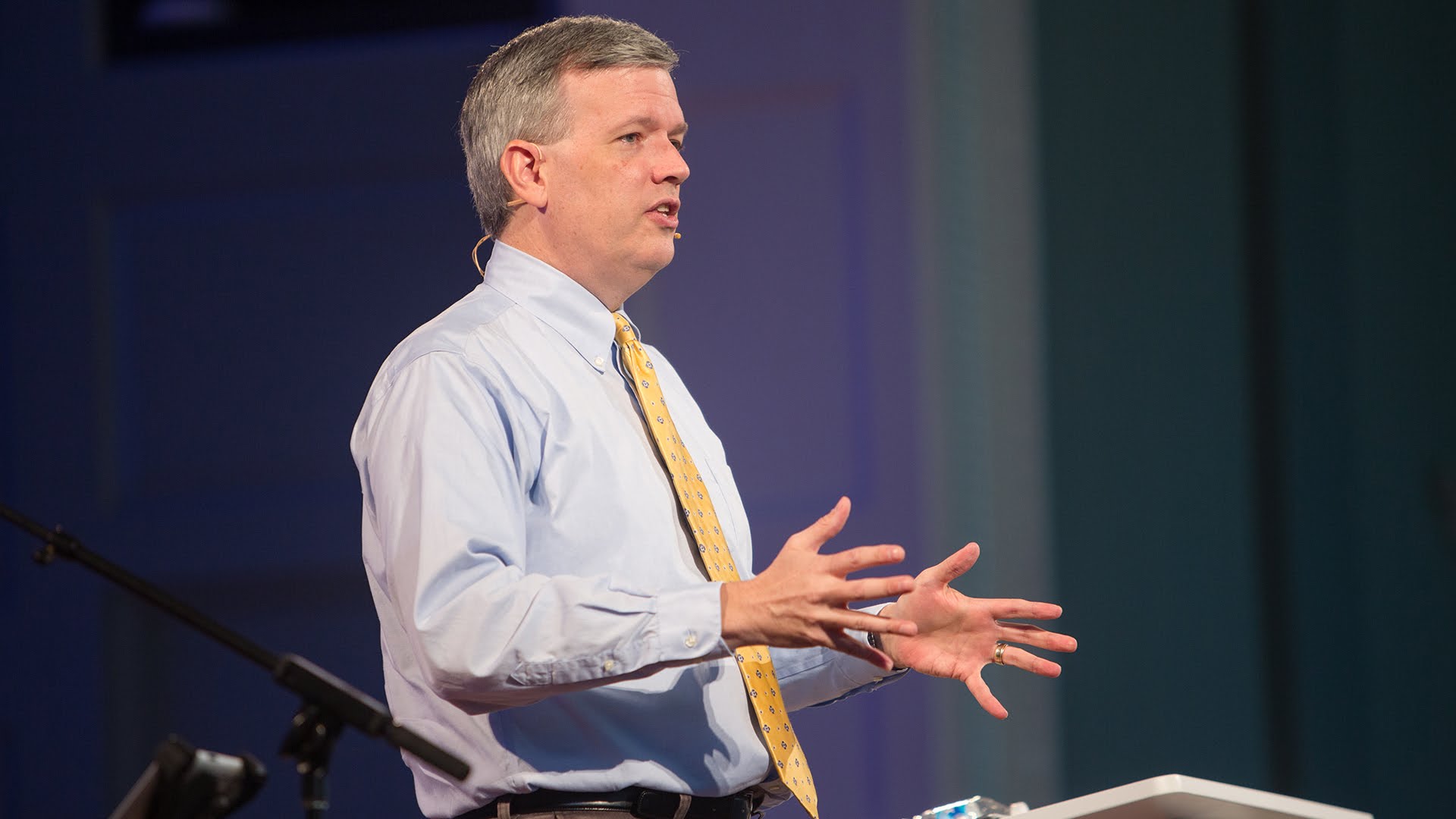
Flourishing Churches and CommunitiesI recently wrote about the need to reach beyond an earthbound economics, re-orienting our thinking around a more transcendent framework that requires active spiritual engagement and discernment. Even as Christians, far too often we set our focus too strongly on temporal features like material needs, happiness, and quality of life—all of which come into play accordingly—without first concerning ourselves with what God is actually calling us to do as individuals.

Read more on From the Roots of Society to the Fruits of Discipleship…

solar light, developing worldOver a billion people are still using kerosene as a primary fuel source, with over 1.5 million dying annually from issues related to indoor air pollution and kerosene fires. For many in the developing world, solar lamps are a new, inexpensive solution to the problem. A recent piece in The Economist hails solar lamps as the next “mobile phone” for the poor, noting that “its spread is sustainable because it is being driven by market forces, not charity.”

Read more on Leveraging Creativity and Markets to Bring Light to the Poor…

Joseph Sunde
posted by on Tuesday, December 18, 2012

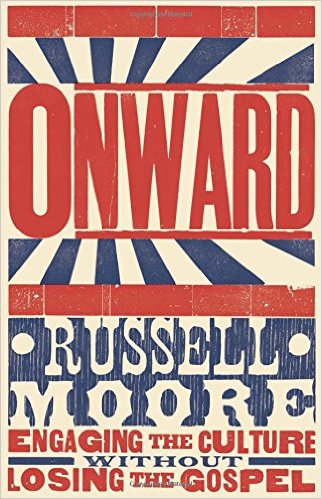
Work: The Meaning of Your LifeI recently pondered what might come of the global economy if we were to to put God at the forefront of our motives and decision-making. The question came as a reaction to Tim Keller, whose recent book calls on Christians to challenge their views about work. By re-orienting our work to be a “servant” instead of a “lord,” Keller argues, we will actually find more fulfillment in the work that we do.

Read more on Work as Service and Servant…

IkariaThe New York Times has a fascinating profile on Ikaria, a Greek island located about 30 miles off the western coast of Turkey. With roughly 8,000 inhabitants, the island is known for its slow and relaxed lifestyle, thriving communities, and healthy citizenry.

As Ikarian physician Dr. Ilias Leriadis says in the article: “Have you noticed that no one wears a watch here? …We simply don’t care about the clock here.”

Brendan Case offers a good summary of the article at Call and Response (HT), pointing to some significant themes:

“For people to adopt a healthful lifestyle,” reports Dan Buettner in a recent issue of the “New York Times Magazine,” “they need to live in an ecosystem, so to speak, that makes it possible.” Buettner’s exploration of the Aegean island of Ikaria, where people are 2.5 times as likely as Americans to live past the age of 90, showcases the inseparability of individual and communal flourishing.

On Ikaria, a constellation of factors yields long lives: a great diet, and few chances to deviate from it; lots of physical activity (little of which could be classed as “exercise”); even regular napping.

But the likely keys to Ikarian longevity are harder to map. Buettner suggests that social structures — the marriages, families and friendships that knit Ikarians into a densely woven fabric of village life — are what sustain these communities in healthy practices.

At a superficial level, it can be easy for us to overly romanticize such places, especially for those of us who are routinely exhausted by fast-paced Western culture (though I still prefer a widespread concern for clocks). Buettner, for example, often seems over-sold on the notion of Ikaria as Utopia–likely, no doubt, because of his research interests in longevity (understandable). Read more on Ikaria and the Inseparability of Individual and Communal Flourishing…

Ray Nothstine
posted by on Wednesday, September 5, 2007

The Acton Institute’s 2007 Samaritan Award winner for outstanding private, voluntary charitable service has been awarded to the Arkansas Sheriffs’ Youth Ranches, Inc. Their mission statement reads, “To address, remedy, and prevent child abuse and neglect by creating safe, healthy, and permanent homes for children.” One of the outstanding aspects of the program is their belief in not abandoning those who participate in their program just because they reach a certain age. Participants are allowed to stay involved and seek guidance beyond their post-secondary education, and until they’re able to foster their own independence in their lives. It strongly promotes a belief that the leaders and supporters of the ranch believe in them beyond any conditions or variables.

Read more on Samaritan Award Winner…

John Couretas
posted by on Monday, August 6, 2007
Mt. Tabor

In much of the Christian world today, the great feast of the Transfiguration of Our Lord is commemorated (Matt. 17:1-9). In the Eastern Church, as Fr. Seraphim Rose observed, it is customary to “offer fruits to be blessed at this feast; and this offering of thanksgiving to God contains a spiritual sign, too. Just as fruits ripen and are transformed under the action of the summer sun, so is man called to a spiritual transfiguration through the light of God’s word by means of the Sacraments. Some saints, (for example – Saint Seraphim of Sarov), under the action of this life-giving grace, have shone bodily before men even in life with this same uncreated Light of God’s glory; and that is another sign to us of the heights to which we, as Christians, are called and the state that awaits us – to be transformed in the image of Him Who was transfigured on Mount Tabor.”

Read more on The Transfiguration of Our Lord…

Jordan J. Ballor
posted by on Friday, January 12, 2007

The question of cultural transformation looms over American Christianity. Should we engage culture? If so, how? In a battle for supremacy over American institutions? Or for the hearts and minds of the people?

Read more on It Must Start with the Church…

Acton PowerBlog RSS

Google Plus

Twitter Feed

Facebook Fan Page

Support the Acton Institute

The Acton Institute is funded through the generous contributions of individuals such as yourself. Learn more about how you can advance the cause of freedom and virtue.