Posts tagged with: William Wilberforce

When I watched Eric Metaxas deliver his remarks at this year’s national prayer breakfast, I was awed with the way he challenged the president on the issue of life and religious liberty. His words were wrapped in humor and informed by a powerful history that gave an edge to his remarks.

Read more on Religion & Liberty: An Interview with Eric Metaxas…

Eric Metaxas, author of the recently published biography Bonhoeffer: Pastor, Martyr, Prophet, Spy, sat down with the Alliance Defense Fund to speak on the role of the church in public policy and how Dietrich Bonhoeffer’s example is especially relevant today. Metaxas, also the author of a biography on William Wilberforce,  is slated to deliver a lecture at Acton University on June 14 and the keynote address at the Acton Institute’s Annual Dinner on October 24th. Click on the links to register online.

Read more on Video: Eric Metaxas on Bonhoeffer, the Church and Politics…

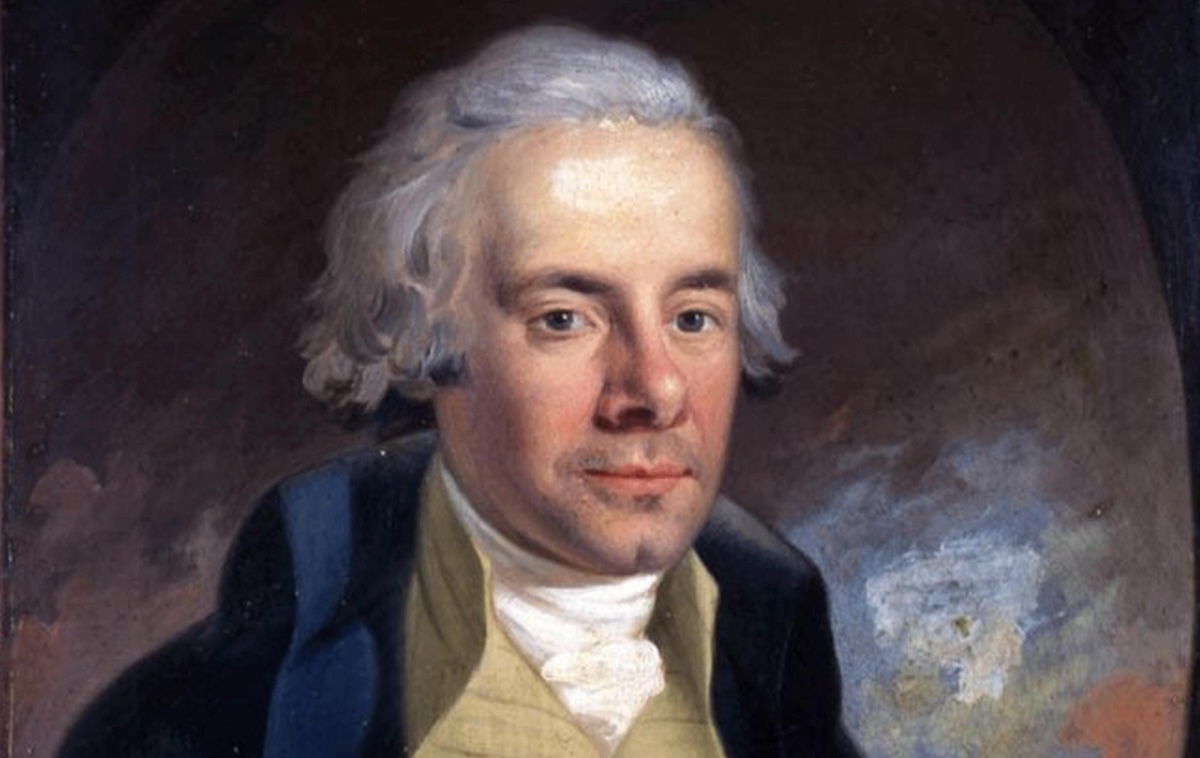
We as Americans are very proud of our history. We admire our forefathers who took a stand for liberty to found this great nation, but it would be unwise, as her former colonists, for Americans to overlook the British contribution to human freedom following the events of 1776. Doing so will allow us to understand more fully the role of religion and freedom in our own society.

The beginning of the 19th century was a tumultuous time for those who love liberty. Embroiled in the French Revolutionary and Napoleonic Wars from 1793-1815, Great Britain fought and bested every sea power in Europe. With her naval supremacy assured by the victory at Trafalgar in 1805, Britain undertook a new moral enterprise in 1807—the end of the slave trade in the Atlantic.

While Great Britain was the only country with a navy capable of pursuing this endeavor, an underlying question remains unanswered. Why would the British attempt this? Britain was the foremost slave trading power in the two decades preceding the Slave Trade Act of 1807, and her government made tremendous profits by transporting human cargo to the New World. Furthermore, the embattled crown committed 13 percent of her navy to a newly formed, “West Africa Squadron” in order to suppress the illicit industry. The squadron would operate until the 1860s and more than 25 percent of its sailors would die, mostly from malaria and yellow fever. Despite these figures, the Royal Navy freed 150,000 Africans from bondage, captured 1,600 slave ships, and burned slave trading depots from the Cape of Good Hope to Morocco, which effectively ended the trans-Atlantic slave trade by 1866.

Read more on British Religious Faith and the End of the Slave Trade…

John Armstrong
posted by on Monday, February 26, 2007

Rarely have I seen a movie that moved me the way Amazing Grace did last evening. The new film, which opened across America on Friday, is the story of the life-long struggle of William Wilberforce to end slavery and reform British society in the late 18th and early 19th centuries. The movie should compel Christians to understand how culture can be truly altered by incrementalism, deep faith, sheer perseverance, and quite often with great personal sacrifice.

Read more on The Power of Amazing Grace…

Acton PowerBlog RSS

Google Plus

Twitter Feed

Facebook Fan Page

Support the Acton Institute

The Acton Institute is funded through the generous contributions of individuals such as yourself. Learn more about how you can advance the cause of freedom and virtue.