Acton Institute Powerblog Archives

Post Tagged 'Leo Strauss'

Practical Action in an Age of Decadence

Roger Scruton often wrote of oikophobia, the phenomenon, so prevalent in the modern West, of distrusting one’s own home, society, and cultural inheritance. The culture of repudiation is one-directional, however, valorizing “the other” at the expense of ourselves—we can do no right while they can do no wrong. Continue Reading...

Harvey Mansfield’s Rational Control

It’s difficult to avoid terms such as “legendary” and “distinguished” when referring to Harvey Mansfield’s long career at Harvard University. Of course, his reputation is based on more than his famous resistance to grade inflation or his barbed criticisms of Harvard. Continue Reading...

John Locke on the “Iron Laws of the World”

On January 5 in an interview with Jake Tapper on CNN, Stephen Miller, deputy chief of staff to president Donald Trump, defended the administration’s alarming embrace of military intervention in Venezuela and imperialistic aspirations more broadly on the global stage: The United States of America is running Venezuela. Continue Reading...

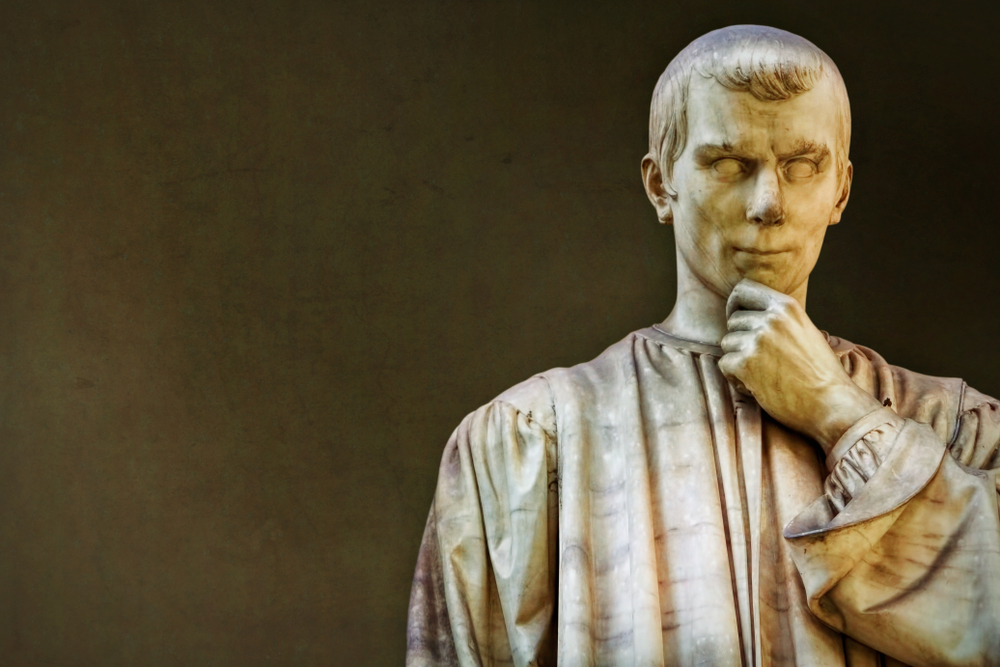
Machiavelli and the Invention of Modernity

Harvey Mansfield recently retired from his position at Harvard University after a long and storied career. He’s almost an institution himself, well-known for hard grading, demanding teaching, a book on manliness long after such things were permissible, and superb translations of Tocqueville and Machiavelli. Continue Reading...

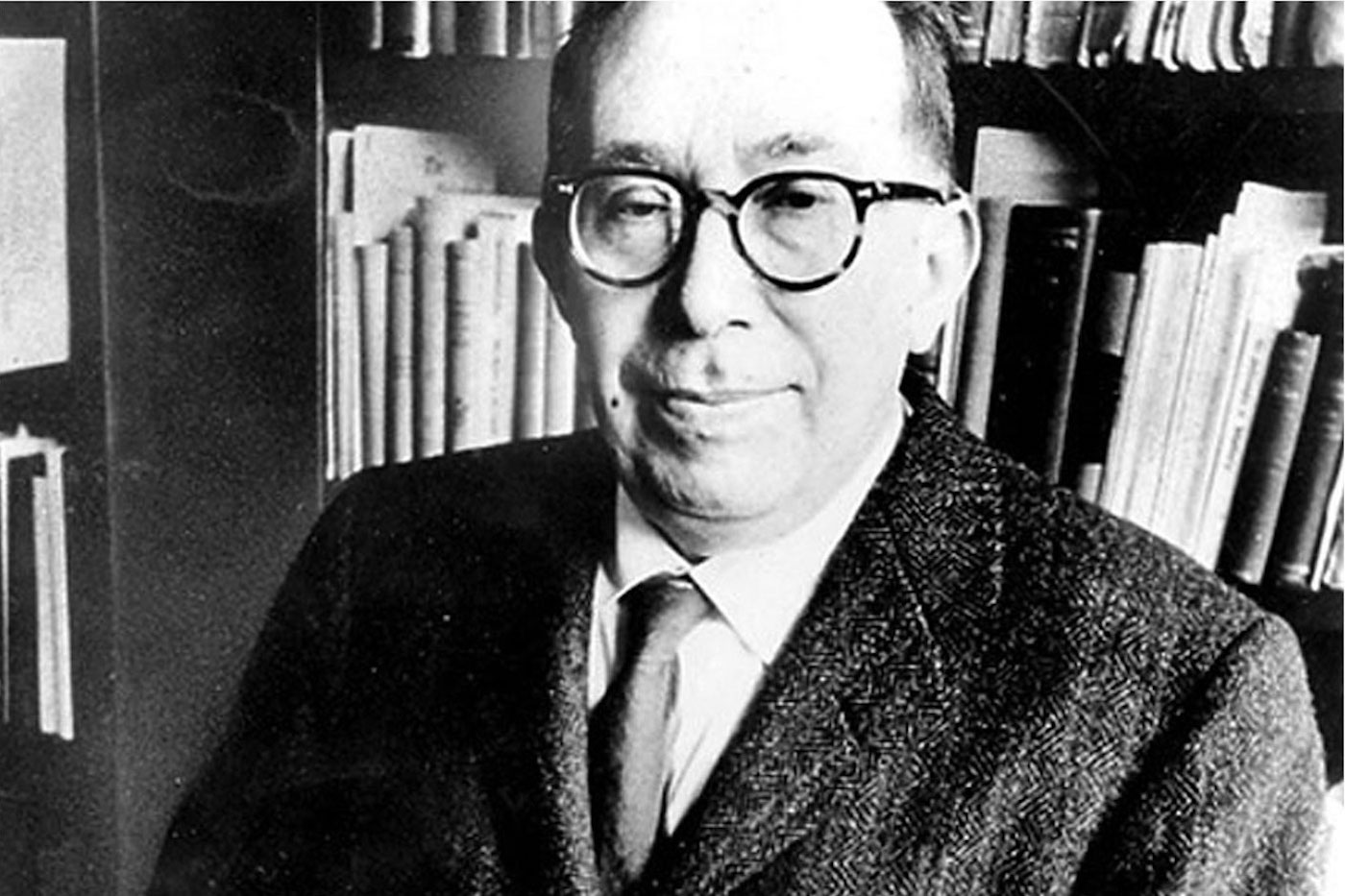
Leo Strauss, Spinoza, and an enlightened faith

Love him or hate him, it’s almost impossible to ignore the philosopher Leo Strauss (1899­–1973). Few individuals have drawn out so thoroughly some of the implications of philosophy for a range of political positions while simultaneously exploring perennial issues such as the meaning of the Enlightenment and its relationship to classical and religious thought. Continue Reading...

Samuel Gregg: Russell Kirk and Twentieth-Century American Conservatism

At The Public Discourse, Acton Research Director Samuel Gregg reviews Bradley J. Birzer’s new book Russell Kirk: American Conservative. The book, Gregg writes, amply shows how “Kirk’s broad scope of interests was matched by genuine erudition that enabled him to see the connections between, for instance, culture and American foreign policy, or the significance of moral philosophy for one’s commitments in the realm of political economy.” Continue Reading...