March 21, 2014
March 19, 2014
Calvin Coolidge on the Importance of Teachers and Spiritual Instruction
March 11, 2014
Calvin Coolidge Jr.’s Powerful Poem on Success
November 12, 2013
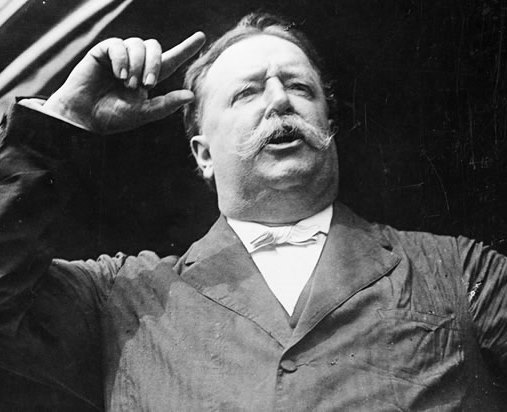
‘A Vision of the Impossible’: Taft on Progressives and Panaceas
In a wide-ranging discussion of the Progressive Era in her new biography of Calvin Coolidge, Amity Shlaes quotes a striking excerpt from a little-known speech by President William Howard Taft.
Given in the middle of the 1912 election, in which Taft competed (poorly) against Woodrow Wilson and former President Teddy Roosevelt, the speech focuses on the predominant themes and schemes of his opponents, handily highlighting their limits. Continue Reading...
September 05, 2013
Calvin Coolidge and the Power of Connectedness
March 27, 2013
Finally, A Monument to Calvin Coolidge
February 19, 2013
Calvin Coolidge: A Rare Kind of Hero
January 18, 2013
Amity Shlaes on ‘The Good Rich’ and the Folly of Philanthropy
November 12, 2012
Samuel Gregg: Are We All Europeans Now?
August 06, 2012