Posts tagged with: Whittaker Chambers

Joseph Sunde
posted by on Tuesday, January 8, 2013

marylazarusWe humans have a pesky tendency toward earthbound thinking. The natural world comes more easily to us, for obvious reasons, and thus, even when we aim to overcome our disposition and contemplate ways to improve things beyond the immediate, it’s hard for us to break out of the box.

Much like Judas Iscariot, who reacted harshly to Mary’s outpouring of expensive ointment on Jesus’s feet, we are prone to react only to the material implications, ignoring altogether whether God might prefer us to do something so peculiar as “keep it for the day of [Jesus’s] burial,” as was the case for Mary.

It is for this reason that the Apostle Paul urged us to present our bodies as a “living sacrifice” — to not be “conformed to this world,” but be “transformed by the renewal of your mind.” Such a life, Paul explains, demands a transcendent perspective made up by constant “testing” of the world as we naturally see it, that we might “discern what is the will of God, what is good and acceptable and perfect.” This is a life consisting of far more than surface-level observations of the physical world, requiring us to submit our reasoning about everything from material prosperity to human happiness to the ultimate will of the Supreme Creator.

This call to active and continuous spiritual discernment reaches into every dusty corner of our day-to-day lives, and it involves plenty of overlap with what we might call the “natural realm” (unhealthy dualism in the other direction is, of course, a competing temptation). Thus, in exploring something as overarching and all-encompassing as our social and economic thought, we should be wary of allowing these natural tendencies and earthly values to serve as the dominating inputs, legitimate and valuable though many of these features may be when properly ordered (e.g. “happiness”).

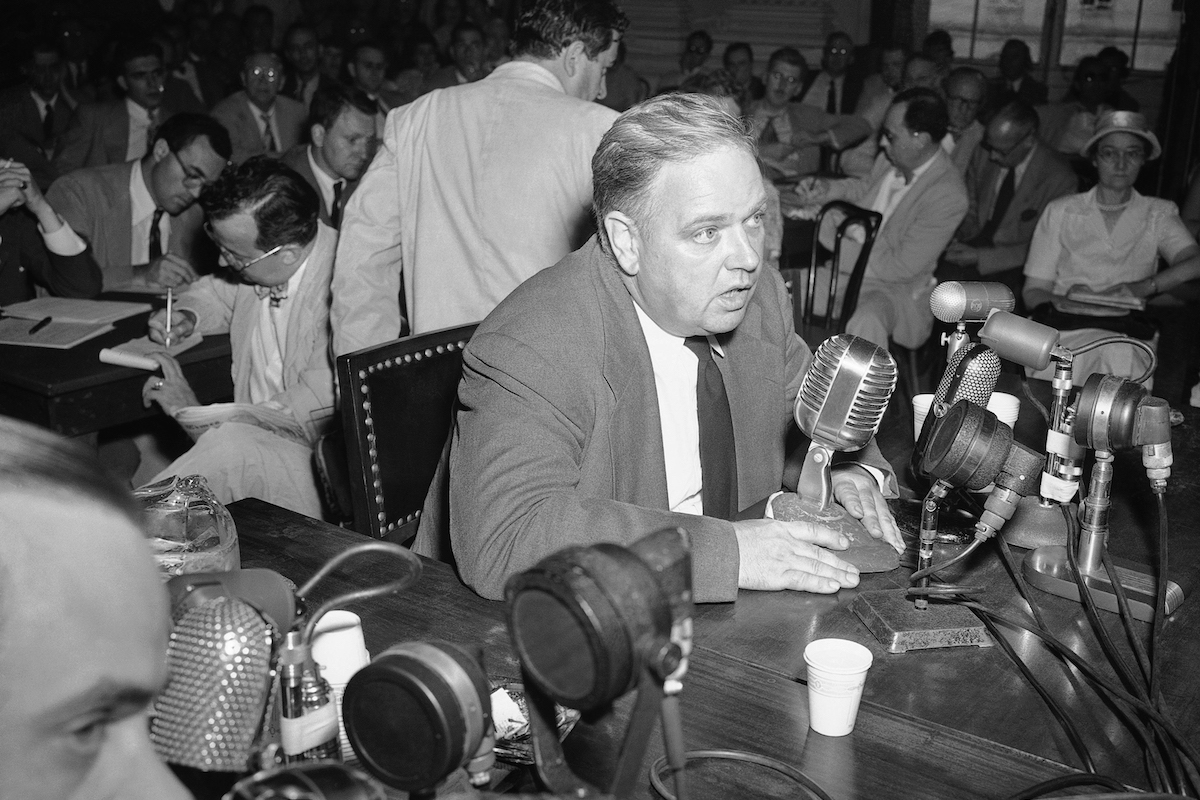
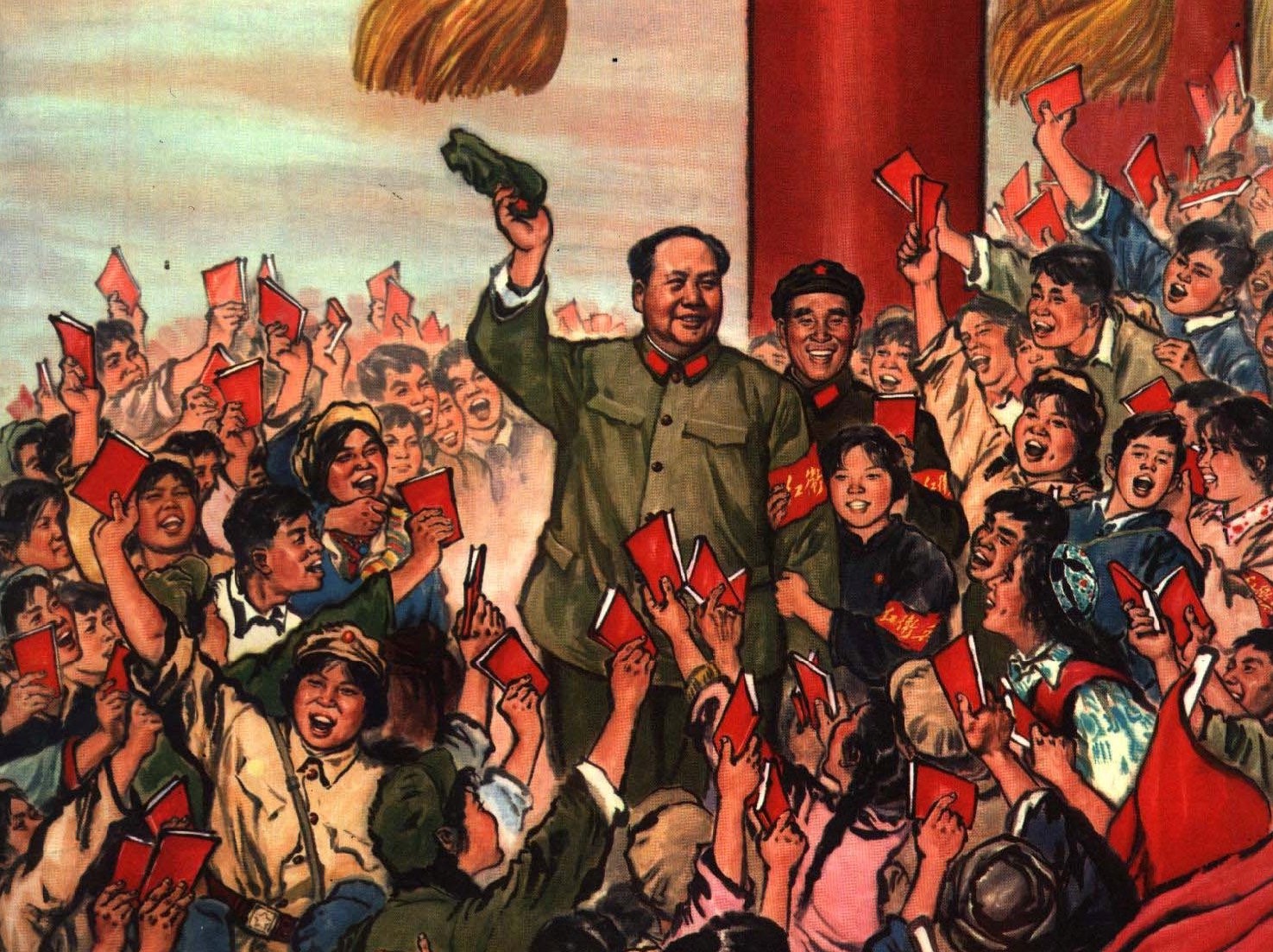
When we attempt to subvert God’s transcendent reality, the problem can play out in a variety of ways and in varying degrees. Most clear, perhaps, at least in recent memory, is the example of Soviet Communism — an orientation that Whittaker Chambers once described as “man’s second oldest faith,” whose “promise was whispered in the first days of the Creation under the Tree of the Knowledge of Good and Evil”:

[Communism] is the vision of man’s mind displacing God as the creative intelligence of the world. It is the vision of man’s liberated mind, by the sole force of its rational intelligence, redirecting man’s destiny and reorganizing man’s life and the world. It is the vision of man, once more the central figure of the Creation, not because God made man in His image, but because man’s mind makes him the most intelligent of the animals. Copernicus and his successors displaced man as the central fact of the universe by proving that the earth was not the central star of the universe. Communism restores man to his sovereignty by the simple method of denying God.

But although the glaring errors of atheism help illuminate where things can turn sour, the trickier questions lie with the rest of us who do seek to place God at the center of all things, yet still find ourselves persistently struggling with how that should look in our day-to-day endeavors. Read more on Beyond an Earthbound Economics…

Herman Selderhuis

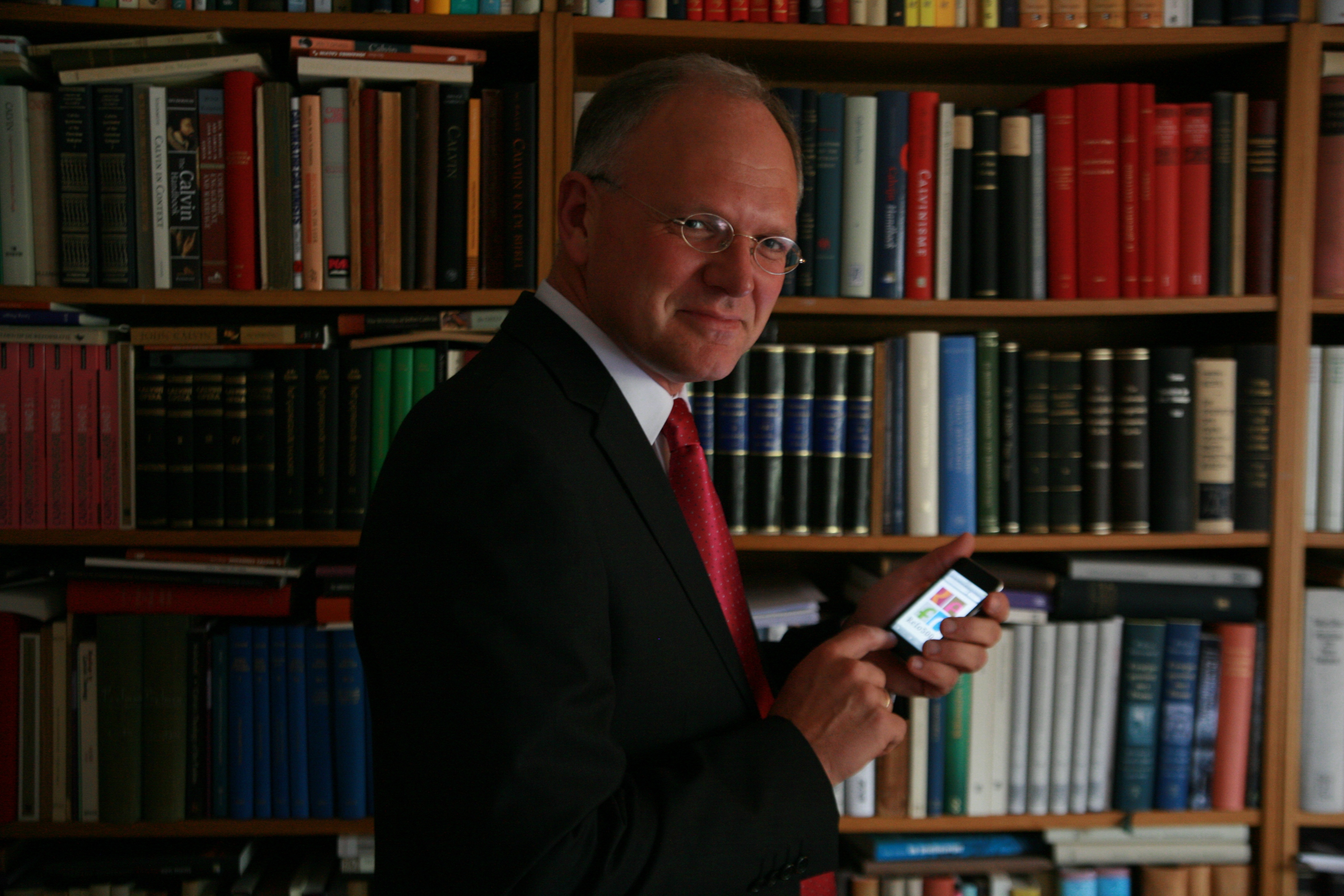
2017 marks the 500th anniversary of the Protestant Reformation. For the Winter 2012 Religion & Liberty issue, now available online, we interviewed Reformation scholar Herman Selderhuis. Refo500, under the direction of Selderhuis, wants to help people understand the meaning and lasting significance of the Reformation. Selderhuis and Refo500 are already playing an essential role in promoting the anniversary and Acton is honored to be a part of that endeavor as well.

Read more on Religion & Liberty: An Interview with Herman Selderhuis…

Over at the Liberty Law Blog, there is an excellent post titled “Ronald Reagan, Whittaker Chambers, and the Dialogue of Liberty” by Alan Snyder. Snyder delves into the influence Chambers had on Reagan and how their worldviews differed as well.

Read more on Reagan, Whittaker Chambers, and the Threat to Freedom…

Richard Reinsch II has an excellent condensed summary of his book Whittaker Chambers: The Spirit of a Counterrevolutionary over at the Heritage Foundation. I really cannot praise Reinsch’s account enough. It is perhaps the best book I read in 2010.

Read more on Still Witnessing: Richard Reinsch on Whittaker Chambers…

Religion & Liberty’s winter issue featuring an interview with patristics scholar Thomas C. Oden is now available online. Oden, who is a Methodist, recalls for us the great quote by Methodist founder John Wesley on the Church Fathers: “The Fathers are the most authentic commentators on Scripture, for they were nearest the fountain and were eminently endued with that Spirit by whom all Scripture was given.”

Read more on Religion & Liberty: An Interview with Thomas C. Oden…

Ray Nothstine
posted by on Wednesday, September 29, 2010

Whittaker Chambers began Witness, the classic account of his time in the American Communist underground, with the declaration: “In 1937, I began, like Lazarus, the impossible return.” The line was most of all a deep recognition of the power of God to redeem what was once dead. Witness was a landmark account of the evils of Communism but most importantly a description of the bankruptcy of freedom outside of the sacred. “For Chambers, God was always the prime mover in the war between Communism and freedom. If God exists then Communism cannot,” says Richard Reinsch II. And it is Reinsch who reintroduces us to Chambers, the brilliant intellectual, anti-communist, and man of faith in Whittaker Chambers: The Spirit of a Counterrevolutionary.

Read more on Review: Whittaker Chambers…

Acton PowerBlog RSS

Google Plus

Twitter Feed

Facebook Fan Page

Support the Acton Institute

The Acton Institute is funded through the generous contributions of individuals such as yourself. Learn more about how you can advance the cause of freedom and virtue.